In India’s luxury housing market, branding is no longer confined to brochures and billboards. It is now embedded in lobbies, concierge desks, wellness floors and, increasingly, in the price per square foot.
Branded residences — homes associated with a recognised global or domestic brand — have emerged as one of the most closely watched segments in premium real estate. Typically linked to hospitality brands, luxury fashion houses, design studios or lifestyle labels, these projects offer buyers a hybrid proposition: real estate ownership combined with branded services, aesthetics and management standards. Structures vary widely, ranging from hotel-managed residences and co-branded developments to design-led projects where architecture and interiors carry brand equity.
What they are not, however, is equally important. A luxury project with a celebrity endorsement or marketing-heavy branding does not qualify unless the brand has a defined operational, design or experiential role. In an industry long plagued by trust deficits, this distinction matters.
Why branded residences are gaining acceptance in India
Several branded residence projects have either been launched recently or are in the pipeline, underscoring how quickly the segment is expanding. These include Gulshan Group’s partnership with IHCL (Taj), Whiteland Corporation’s Westin Residences in Gurugram, M3M’s upcoming Jacob & Co–branded development, Smartworld Developers’ Trump Residences Gurgaon, and Dalcore’s YOO-branded residences by designer Philippe Starck.
One of the earliest modern branded residential experiments in the NCR was the Versace-designed apartments at Unity Group’s Amaryllis project in New Delhi, launched nearly a decade ago. Harsh Vardhan Bansal, co-founder of Unity Group and president, NAREDCO Delhi, says the past two to three years have marked a clear shift in buyer perception. “Acceptance of branded residences has risen sharply as Indian buyers have travelled more and experienced such developments globally,” he says. “They now understand what they are paying for.”
According to Bansal, branded residences typically raise the bar on amenities, design quality and overall living experience. For many buyers, especially at the top end of the market, these homes function as trophy assets — symbols of aspiration as much as places to live. “It’s an emotional decision as much as a financial one,” he says. “Much like choosing a Mercedes over a mass-market car, buyers are willing to pay a premium for what the brand represents.”
This willingness to pay is also underpinned by practical considerations. For NRIs and globally mobile Indians, brand association offers familiarity and predictability. For domestic buyers, it acts as a proxy for quality in a market where delivery risk remains high.
Three branding models shaping India’s luxury homes
Branded residences in India broadly fall into three categories, each with distinct value propositions and trade-offs.
The first is design-led branding, where fashion and design houses such as Versace, Armani or YOO play a central role in shaping interiors and common areas. In some cases, these brands also supply furnishings, finishes and fixtures. “It’s not just a name — it elevates the entire environment,” says Bansal. The downside, he cautions, is that strong design identities can narrow the buyer pool, particularly in the super-luxury segment where preferences tend to be highly individualistic.
The second model is hospitality-led branding, involving hotel groups such as Westin, ITC or Four Seasons. These projects typically combine residential towers with hotel-grade services: housekeeping, concierge, engineering support, security and access to shared amenities such as spas and gyms.
“The advantage is professionally maintained facilities,” Bansal notes, though he adds that Indian buyers may not always want hotel-like formality in their homes and often value privacy.
The third category is brand-led or name-led branding, where the association is driven largely by global recognition rather than deep involvement in design or day-to-day services. “Exclusivity can dilute if too many towers come up in the same city,” Bansal cautions, pointing to the risk of overextension.
What the pricing premium really looks like
At Unity Group’s Amaryllis project in New Delhi, the pricing differential between branded and non-branded units illustrates how the premium plays out. Regular premium apartments are currently priced at Rs 26,000–Rs 27,000 per sq ft, while Versace-branded residences command Rs 37,000–Rs 38,000 per sq ft, a premium of roughly 30–35 per cent.
“That delta reflects higher specifications and amenities,” Bansal says. “Buyers today understand global benchmarks and are willing to pay extra for what they see as a trophy home.” He adds that the additional spend is not cosmetic, but extends to clubhouses, pools and shared spaces that are designed to be “one or two notches” above the rest of the project.
Why hospitality brands are stepping in
The hospitality-led model is gaining momentum, with projects such as Westin Residences Gurugram by Whiteland Corporation and Gulshan Group’s partnership with IHCL illustrating the trend.
“India’s luxury homebuyer today is unmistakably experience-first,” says Yukti Nagpal, director, Gulshan Group. “They are seeking not just a home but five-star hotel–grade amenities, curated services and the credibility that comes with a legacy brand.”
According to Nagpal, branded serviced residences sit at the intersection of hospitality and real estate, combining service discipline with long-term wealth creation. In the Noida–Greater Noida corridor, she notes, luxury housing has evolved “from indulgence to strategy”, supported by sustained resale and rental appreciation.
At Whiteland’s Westin Residences Gurugram, launched in July 2025, unit sizes range from about 2,700–4,400 sq ft, with starting prices of around Rs 7 crore. The project is scheduled for delivery around 2030. Sudeep Bhatt, director–strategy, Whiteland Corporation, says the partnership with Marriott International brings globally benchmarked service standards. “Residents are buying not just a home, but a premium service-led lifestyle product,” he says, adding that such alliances help ensure long-term asset maintenance, stronger value retention and a wellness-focused living environment.
The appeal and risks of brand-led residences
The third category — brand-led residences — trades primarily on name equity and aspirational value. Projects such as Trump Residences Gurgaon and Jacob & Co residences fall into this segment.
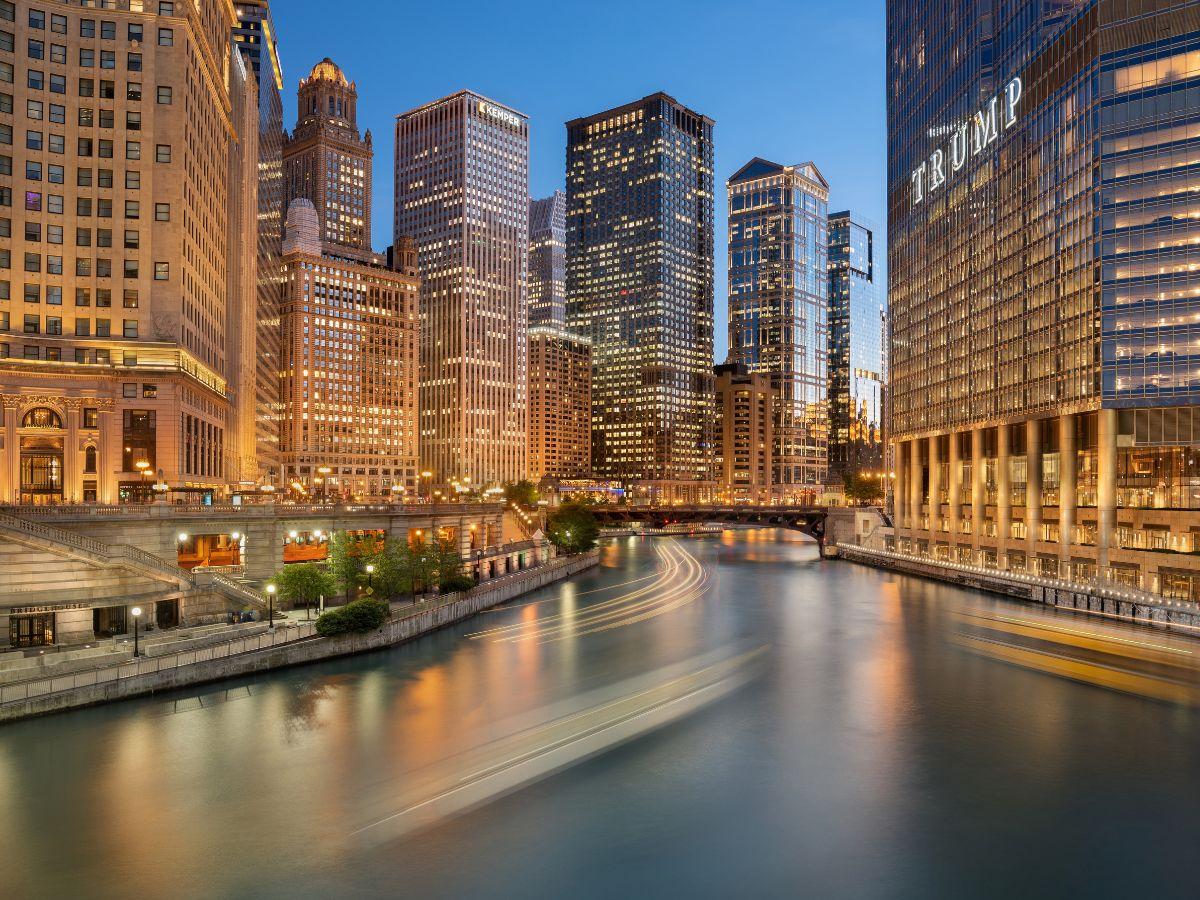
Smartworld Developers entered the branded housing space with Trump Residences Gurgaon, launched in April 2025 and scheduled for possession in 2033. The Trump Residences Gurugram, is developed jointly by Smartworld Developers and Tribeca Developers, in collaboration with the Trump Organization. Explaining the choice of partner, Ashish Jerath, president–sales and marketing, Smartworld Developers, says the collaboration was driven by Trump’s global stature and track record in creating trophy residential assets. “Trump is a globally recognised real estate super brand, and an association of this nature carries its own gravitas,” Jerath says, adding that the positive response to earlier Trump Towers projects in NCR reinforced confidence in the partnership. The project spans about 1.2 million sq ft and comprises 298 residential units. Average pricing is around Rs 27,000 per sq ft, with apartments priced between Rs 8 crore and Rs 15 crore, while penthouses are priced at approximately Rs 125 crore each. Jerath notes that Gurgaon is now the only city outside New York to host two Trump-branded residential developments — highlighting the city’s growing prominence on the global luxury real estate map.
The fine print buyers must scrutinise
This is where due diligence matters most. Buyers need to clearly understand the brand’s actual role — whether it is limited to name licensing or extends to operations and service delivery. The duration of the brand agreement, exit clauses and contingencies if the brand withdraws mid-cycle are critical. Restrictions on leasing, interiors or alterations can affect both livability and returns, while full RERA disclosures and clarity on legal liability remain non-negotiable. A brand name, experts caution, does not replace legal verification.
Why developer credibility still matters more than branding
A strong brand cannot compensate for a weak developer. Buyers must independently assess the local developer’s delivery track record, financial strength and past execution, including how delays or defects are handled. In India, execution risk remains firmly local — branding may be global, but accountability is not.
Concierge desks, valet parking, housekeeping, wellness facilities and dining access feature prominently in brochures. The real test lies in consistency. Are service levels maintained year-round? Is staffing trained to global standards? Do residents retain privacy and control over their homes?
Early resident feedback often exposes the gap between marketing promises and on-ground reality.
How India compares with global branded residence markets
Globally, branded residences flourish in markets such as Dubai, Miami and London, supported by clearer regulation and mature service ecosystems. India’s market remains fragmented, with no standard definition governing branding claims. The segment will stay niche but grow steadily, driven by genuine operational branding, credible developers, transparent contracts and deeper integration of wellness, sustainability and long-stay living. Ultimately, branded residences in India are less about logos and more about trust — but only for buyers willing to read beyond the brochure.