In Mumbai, 32-year-old marketing professional Rohan Shah begins his Saturday with a cycling loop along Bandra Bandstand, followed by a strength session at a boutique fitness studio. Brunch usually follows at a health-focused café serving protein bowls, kombucha and sourdough plates.
“Earlier our weekend plans revolved around where we were going to party,” he says. “Now the group chat is about which workout we’re doing and where we’re having brunch afterwards.”
In Bengaluru, tech consultant Shruti Rao, 29, starts her Saturdays with a Pilates class in Indiranagar before heading with friends to cafés offering smoothie bowls and cold brews. “Fitness has become the new social activity,” she says. “Instead of meeting friends over drinks, we meet for workouts or recovery sessions.”
Far away in Gurugram, too, finance professional Arjun Khanna, 34, spends weekends alternating between run clubs on Golf Course Road and functional training sessions at boutique studios.
“The difference is how you feel on Sunday,” he says. “Earlier the weekend left you exhausted. Now it leaves you reset.”
Across India’s major cities, the post-workout café is quietly replacing the late-night bar as the primary weekend meeting point.
How is wellness evolving into an everyday urban lifestyle?
For decades, urban leisure followed a familiar template: crowded dance floors, loud music and generous pours at the bar. Weekends were an escape valve from the workweek, often measured by how late the night stretched. That pattern is now shifting as wellness increasingly moves from occasional indulgence to an integrated lifestyle practice.
Wellness as lifestyle
“Over the past few years, we have seen a clear shift in how people approach wellness,” says Aditya Kilachand, founder and chief executive officer (CEO) of Avās Wellness, a luxury wellness lifestyle firm in Alibaug, a sleepy town-turned-tony enclave across the Arabian Sea to the south of Mumbai.
“While destination spas in places like Kerala or the Himalayas continue to hold value, urban consumers today are looking for wellness experiences that fit into their everyday lives.”
Kilachand notes that wellness is no longer confined to occasional retreats but is becoming a routine social activity.
“There is definitely a noticeable move away from traditional nightlife toward more restorative social experiences,” he says. “Younger urban audiences as well as established professionals are prioritising health, balance and meaningful connection.”
Wellness gatherings today range from breathwork circles and sound healing sessions to curated community dinners focused on conscious living. A growing segment of urban Indians is rewriting weekend spending habits, directing discretionary income toward fitness studios, wellness cafés, recovery therapies and preventive health routines.
Why are celebrations increasingly taking the wellness route?
The shift is visible even in how people celebrate milestones. Jayati Sehgal, founder of Delhi-based Zaazen Wellness, says birthdays and pre-wedding gatherings are increasingly taking on a wellness format.
“We are seeing people choose to spend their birthdays at wellness centres,” she says. “Instead of a party at a bar or restaurant, groups come together for a shared experience such as a sound bath session, aerial yoga or Pilates class followed by a healthy meal.”
Bridal showers have not been left behind: many are evolving into wellness gatherings featuring facials, foot massages and relaxation therapies for gaggles of young women.
Typically, groups of 10–15 people spend between Rs 30,000 and Rs 40,000 in all for such events, which include one wellness experience and a curated healthy spread. Menus often feature matcha drinks, avocado toast, smoothie bowls and lighter options such as tacos.
“Increasingly, people want their celebrations to leave them feeling good rather than drained,” Sehgal says.
How is group movement becoming a social ritual?
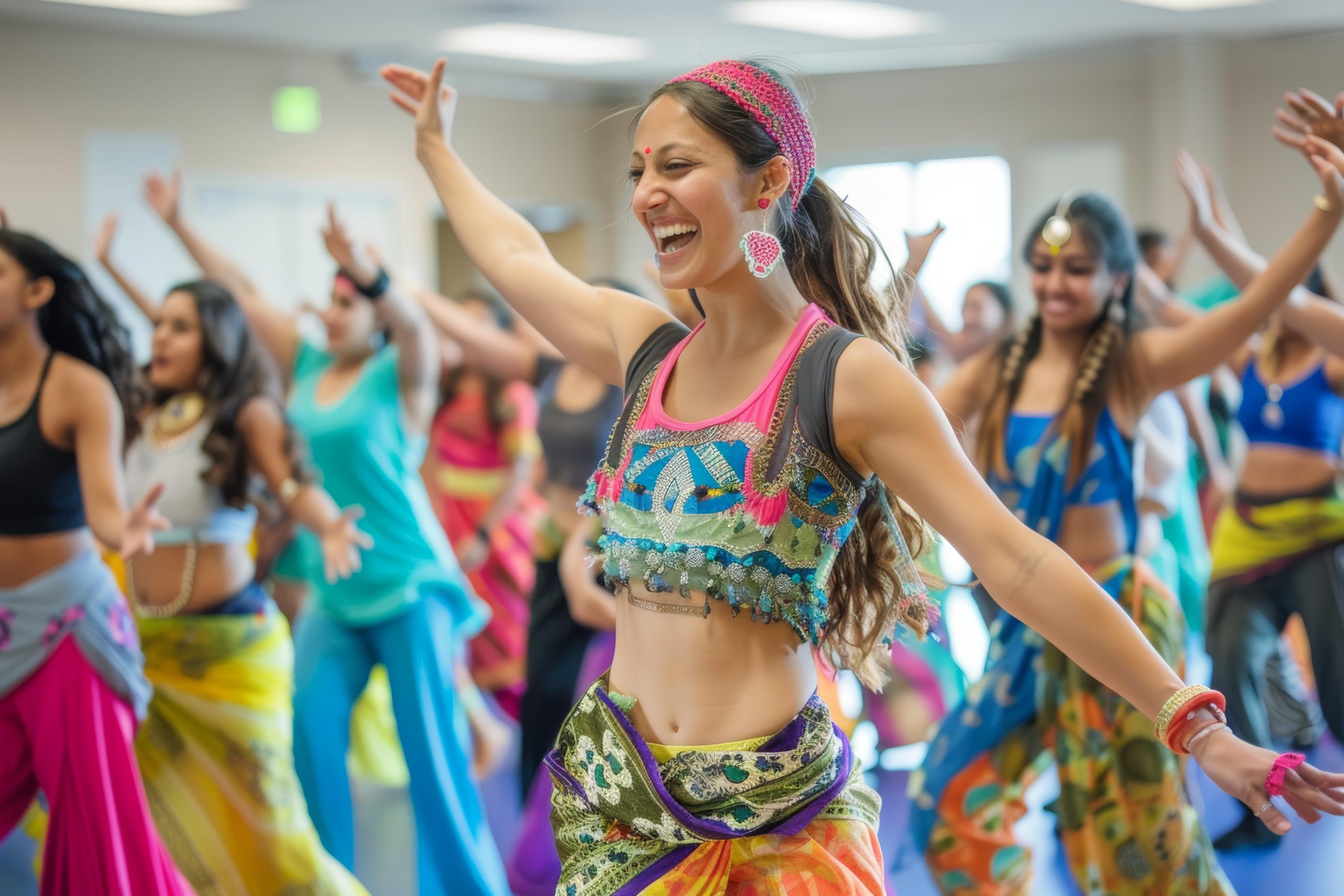
Movement in groups is also emerging as a social ritual. Dance-based fitness forms, once considered niche hobbies, are steadily entering mainstream urban culture.
Bengaluru-based Minoti Ramachandra, a salsa and bachata instructor and founder of Motley Dance Company, says social dancing has evolved into a lifestyle for many urban Indians.
“Social dancing — salsa, bachata, kizomba — has become part of everyday life for many of us,” she says. “People come for the dance, but they stay for the community. Friendships form and the dance floor becomes a place of joy and connection.”
While India’s social dance scene has grown gradually since the early 2000s, Ramachandra believes the shift accelerated after the pandemic.
“When we were exiting the COVID-19 years, people were starved for human connection,” she says. “There was a clear uptick in people taking up social dancing. What was once considered a niche hobby is now part of mainstream urban leisure.”
Studios across cities now offer a wide mix of formats — from Hatha and Yin Yoga focused on breath and mindfulness to Mat Pilates and functional training for strength and stability. Faster-paced options such as Vinyasa yoga, spinning, Tabata, cardio kickboxing and dance workouts like Zumba and Bollywood fitness are also drawing crowds.
The appeal lies not only in exercise but in shared movement — structured classes that combine community, energy and recovery.
What does the new wellness spending basket look like?
The shift is also visible in the emerging wellness spending basket among urban professionals. Monthly outlays now routinely include boutique gym memberships costing Rs 3,000–Rs 10,000. Pilates and yoga studios go for Rs 8,000–Rs 15,000, while cold-pressed juice subscriptions range between Rs 4,000 and Rs 12,000.
Many also invest in wearable health trackers priced between Rs 5,000 and Rs 30,000, and recovery tools such as massage guns, foam rollers and infrared therapy devices costing Rs 5,000–Rs 20,000.
For affluent consumers, these are increasingly viewed not as indulgences but as preventive health investments.
Alongside fitness studios, a parallel ecosystem of wellness cafés is flourishing. Menus that once highlighted cocktails and fried appetisers now prominently feature protein bowls, kombucha, cold-pressed juices, plant-based desserts and high-protein brunch plates.
These cafés are evolving into social hubs for a health-conscious community, where a post-workout smoothie shared on Instagram increasingly replaces the nightclub photograph as a marker of lifestyle.
Why are wellness spaces becoming the new social hubs?
New-age weekend hangouts are increasingly wellness spaces — either within the city or on its quieter edges. From yoga studios to hotel-based retreats, urban professionals are seeking environments that combine movement, recovery and community.
Shangri-La Eros New Delhi, for instance, has introduced an immersive wellness retreat at The Wellness Club, integrating personalised consultations, spa therapies, Ayurvedic rituals, guided fitness and mindful dining, all allowing guests to pursue structured recovery without leaving the city.
Standalone studios are seeing a similar trend. At Life Yoga in Malcha Marg in New Delhi, group yoga and mindfulness sessions are drawing professionals looking to build movement and mental balance into their weekend routines.
Such spaces are gradually becoming the so-called modern “third place” — a space between work and home where people reconnect with themselves and others.
Take the case of Soulebration, a wellness centre from the FNP Group in Chattarpur, Delhi, that blends traditional practices such as yoga and Pilates with sensory formats like sound healing and art therapy. Such urban wellness hubs reflect how recovery, mindfulness and community are increasingly shaping how city dwellers spend their leisure time.
Many of these programmes are based on group movement. At Sanctum, a wellness centre focused on community-driven fitness, this shift is visible every weekend.
“A generation ago, nightlife offered people a sense of release and belonging,” says Palash Grover, founder of Sanctum Club. “What we are seeing now is that the same human need for connection is moving into healthier environments such as fitness floors, run clubs and movement-led gatherings.”
Community workouts, he says, are becoming the new social venues.
“When people train together — whether it is strength sessions, breathwork or recovery rituals — they experience collective energy, accountability and emotional support. That combination reduces stress, improves mood and builds a sense of belonging.”
Grover also sees a generational shift under way.
“Younger audiences are drinking less and prioritising wellbeing-led social experiences, from sunrise workouts to coffee runs and fitness parties. These environments allow people to feel energised, socially connected and mentally clearer rather than drained the next day.”
The weekend once meant excess. For many urban Indians today, it now means equilibrium — movement, recovery, connection and growth.