Anybody can buy a large apartment in Gurugram. The real question is: how much are you willing to pay to be insulated from the city itself? Ultra-luxury in NCR is no longer about size. It is about separation from traffic, from unpredictability, from service inconsistency and daily friction.
Developers at the top end are not merely selling bigger homes — they are selling controlled ecosystems: private lobbies, layered security, concierge networks, curated experiences, even protecting you from air pollution by giving centralized air purification solutions. In other words, insulation.
Belanova, the latest ultra-luxury offering by Central Park Estates on Sohna Road, is priced at roughly Rs 20 crore per residence. The project comprises 124 homes within the larger 47-acre Central Park Resorts ecosystem to be delivered by July 31, 2026 and carries a topline revenue potential of Rs 2,500–3,000 crore.
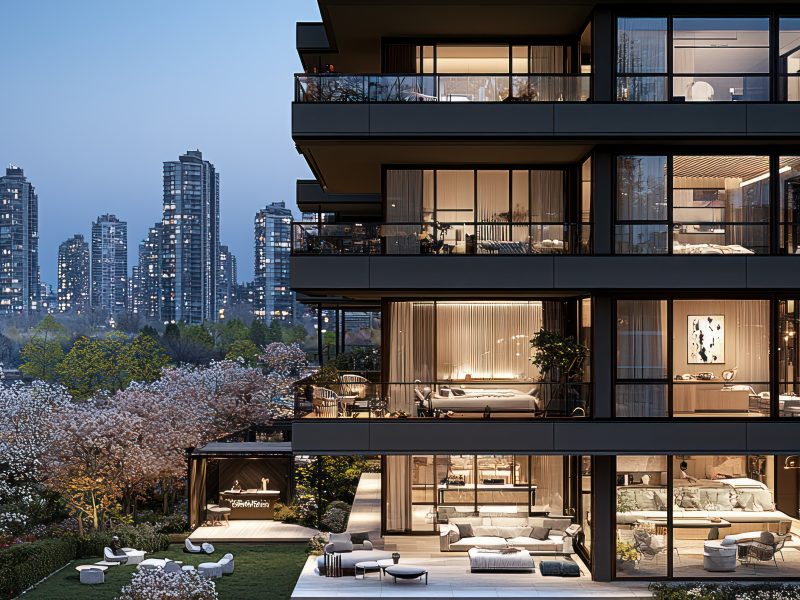
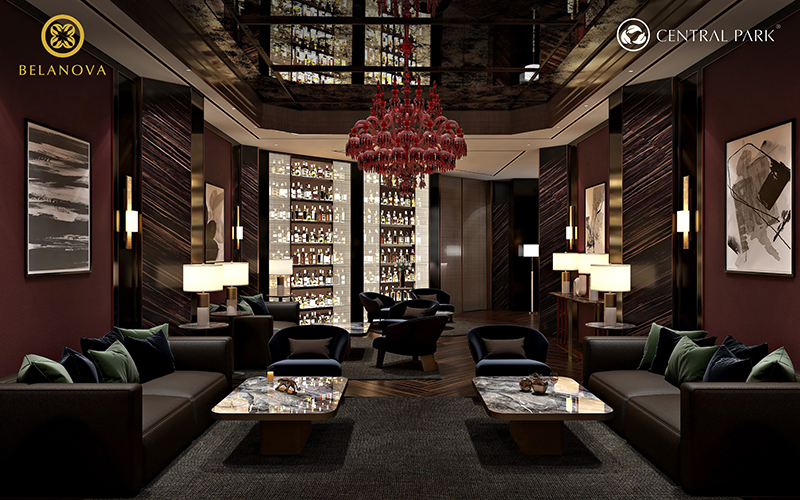
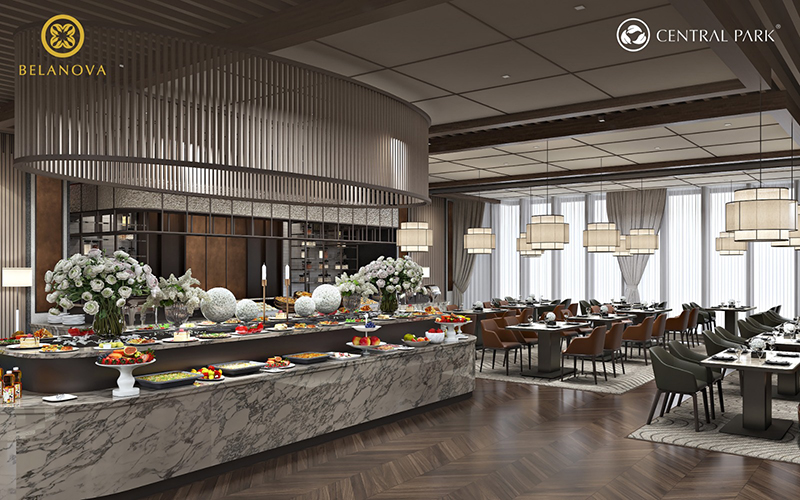
On paper, this is not merely housing. It is a fully managed vertical estate. Two private lifts per residence. Thirteen-foot floor heights. Walk-in wardrobes in every bedroom. Separate cooking and cleaning kitchens. Private butlers. Concierge desks. Medical-grade air purification. Air ambulance tie-ups. Curated global access and priority reservations. The pitch is clear: outsource friction.
The Real Product Is Service
What Belanova is selling is not merely square footage or imported marble. It is selling luxury which they define as the ability to take comfort for granted. Ankush Kaul, President – Sales, Marketing & Customer Care at Central Park, frames it clearly: “We are not about volume, we are about quality. Our philosophy is not to be the biggest or No. 1 — but to be the best. Luxury begins with service. Belanova sits at the top of the pyramid, offering nearly 170 amenities.”
Luxury housing in India has now entered its services economy phase. Developers are increasingly bundling concierge, curated community programming, medical partnerships and hospitality-grade management into residential towers. The thesis is simple: wealthy Indians value time over ornamentation.
The language of the pitch is telling- ‘Anybody can get see a Wimbledon match.. but few can get a front row seat. Anybody can stay at Palace but living in Scottish Chambers. Anybody can beat traffic jams but few can avail chopper services to T3. Anybody can go to the Dubai Shopping festival but exclusive pricing for you. Anybody can goto a Michelin star restaurant but reservations on priority.’ That is the grammar of ultra-luxury — not access, but advantage.
India’s luxury housing market above Rs. 10 crore has expanded over the past three years, buoyed by wealth creation, entrepreneurial liquidity and generational upgrades. But Rs 20 crore is a different psychological and financial bracket. This is a community of CXOs and not legacy wealth. To justify that pricing, developers must sell more than space. They must sell insulation — from traffic, unpredictability and operational inconvenience.
Scarcity and Strategy
Belanova has outlined a phased sales plan — Rs. 500 crore targeted in FY26, Rs. 1,000 crore in FY27, with pricing escalations of 7–10 per cent after every 10 units sold. Around a quarter of the inventory is reportedly sold. Scarcity engineering creates urgency. But ultra-luxury real estate is less about launch velocity and more about endurance.
The tougher questions emerge post-possession:
- What are the long-term maintenance and hospitality costs? It’s not just the one-time cost, but the recurrent monthly bills which will run into a lakh and a half at the minimum.
- Can service intensity be sustained over a decade?
- Will residents continue to pay recurring premiums once novelty fades?
Hospitality inside residential towers sounds compelling. It becomes financially complex over time.
Location Still Decides
Belanova sits along the elevated Sohna carriageway with connectivity to NH-48, IGI Airport and Golf Course Road. Infrastructure has improved markedly in this micro-market. Yet luxury in Gurugram has historically clustered around Golf Course Road and DLF’s established corridors. Sohna Road is rising, but perception hierarchies in ultra-luxury markets shift slowly.
At Rs 20 crore, buyers are not evaluating access alone. They are evaluating long-term capital resilience and address psychology. Connectivity can elevate a corridor. It does not instantly confer legacy.
The Developer Factor
Central Park, led by Amarjit Bakshi, has consistently blended hospitality sensibility with residential development. There is visible attention to detail in layout, proportion and finishing. The sample apartment reflects scale discipline and service ambition.
The brand has cultivated a particular buyer ecosystem — CXOs, business families, promoter class — and built community loyalty around managed living. But execution credibility is the decisive variable in this bracket. Ultra-luxury buyers are globally benchmarked. They compare Gurugram not with mid-market India, but with Dubai, London and Singapore. Service promises in India must now compete with global standards.
The Broader Shift
Belanova is not an isolated development. Across India, premium housing is becoming lifestyle-led. Concierge is replacing clubhouse bragging rights. Medical access is replacing marble as differentiator. Experience is replacing excess. This reflects a deeper consumer shift. India’s affluent class no longer seeks validation through labels alone. In fact, global luxury brands now actively court India. The confidence equation has reversed.
Yet housing differs from fashion. A couture gown is seasonal. A Rs. 20 crore apartment is generational. The durability test is unforgiving.
NK Takeaway
Luxury housing in India has clearly moved beyond brick and mortar. It is now a managed-services proposition layered thoughtfully over real estate. That evolution reflects confidence — in wealth creation, in global exposure and in the maturity of the Indian buyer. Developers are no longer selling just homes; they are curating lifestyles.
At Rs. 20 crore and above, buyers are investing in durability, service continuity and long-term value — not just spectacle. Location, delivery credibility and operational excellence will remain decisive.
It is heartening to see both appetite and supply rising in India’s ultra-luxury segment. If execution matches ambition, India’s luxury housing story could well enter its most sophisticated phase yet.