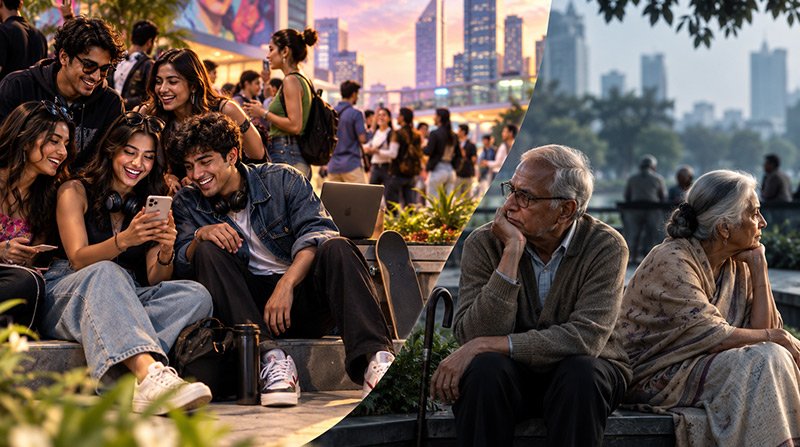
India can’t stop talking about Gen Z. But in worshipping youth, are we creating a culture where experience is treated as expiry?
Gen Z has become a national obsession. Brands want Gen Z. Luxury wants Gen Z. Media wants Gen Z. Advertisers want Gen Z. Apparently, simply announcing “we are targeting Gen Z” makes even an ageing brand sound young again. Even companies increasingly want workplaces populated by Gen Z. In short, the youth has become synonymous with both being relevant and ‘super cool’.
India has rightly celebrated its demographic dividend. But somewhere along the way, “young India” became the only India worth wooing. The 40-plus consumer barely gets a look-in. Cross 60 and you become a “senior citizen” — marketed insurance, medicines, retirement homes and assisted living. What happened to aspiration, ambition, sex appeal and plain old fun? Travel entrepreneur Devendra Parulekar, founder of Saffron Stays, shares how silver economy is their most interesting and fastest growing segment as on date: “Most people are either time-rich and money-poor or money-rich and time-poor. But senior citizens are the most interesting customer segment because they are both time rich and money rich.”

Meet Klub 60
Historically, Indian society has always valued age and experience. “Old is gold” wasn’t merely a saying. Elders were repositories of memory, knowledge and judgement. You sought their counsel. Today, in an increasingly materialistic culture, the senior becomes a relic on the mantelpiece — respected ceremonially, perhaps, but considered increasingly archaic and irrelevant.
That narrative needs a reality check. That perception does not match reality. Neena Gupta’s career found an extraordinary second wind in her 60s. Kiran Mazumdar-Shaw remains one of India’s influential business voices at 73. Shabana Azmi is commanding screens at 75. But forget celebrities. Sudesh Chawla, a 74-year-old media professional, is learning salsa and taking up modelling assignments. Around us are older Indians travelling solo, starting consultancies, mentoring entrepreneurs and finally learning the music or dance they postponed for decades. Lisa Ray has a wonderful expression for midlife: “This is my prime time.” And she said it, not past our prime, but into “another prime”.
And why should 60 mean we stop working? A teacher does not lose her knowledge at 60. A doctor does not lose his judgement; if anything, decades of experience sharpen it. A lawyer, architect, entrepreneur or artist does not suddenly become less valuable because the calendar has turned.
We meticulously plan our lives up to 60 — education, career, marriage, children, savings, retirement. But if we are going to live to 90 or 100, what is our plan for the four decades that follow? Forty years is not life’s waiting room. It is another adulthood. Perhaps the longevity conversation needs to move beyond simply asking, “How do we live longer?” to a much bigger question: “What are we going to do with all those extra years?”
And the answer cannot rest with the individual alone. Longer lives will require a society and an ecosystem designed for them — workplaces willing to rethink retirement, opportunities for reskilling and second careers, financial systems built around longer working and post-working lives, healthcare focused on preserving function and independence, and communities that keep older people connected, purposeful and engaged. If longevity is giving us another adulthood, we need to build a world in which people can actually live it, not just survive but thrive.
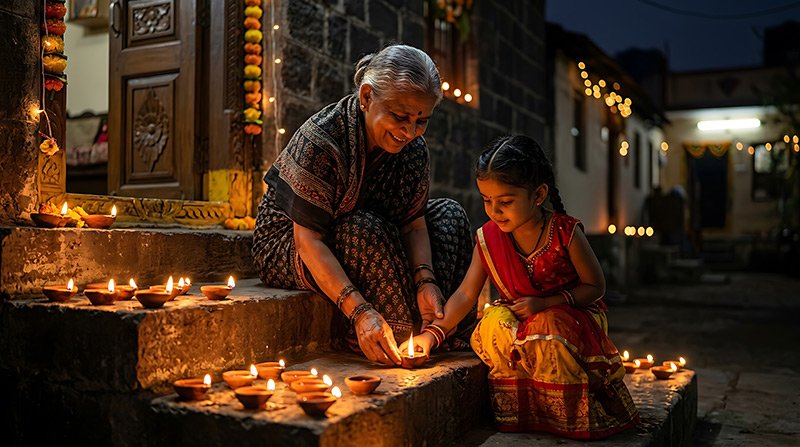
India already has nearly 167 million people aged 60-plus, projected to reach 346 million by 2050, according to the ASLI-JLL report India’s Silver Economy: From Niche to Necessity. Yet we continue to see this generation largely through the lens of care. Today’s 60-year-old could have another 30 or 40 years ahead. Many have money, assets, time, experience — and an appetite for life.
Perhaps we need to talk of India having two distinct demographic dividends: the energy of youth and the experience of age. Give the young wings. Let them fly. But remember: shoots may reach for the sky; it is the roots that keep the tree standing. A society full of young aspirations but ageing adults struggling to remain visible is hardly progressive.
Klub 60 doesn’t need our sympathy. It needs its swagger back.