As Indian summers grow increasingly harsh, travellers are beginning to rethink their summer holiday plans. Affluent and aspirational Indians are moving beyond traditional hill stations in search of cooler, quieter, and more experience-led destinations. The shift is no longer just about vacationing: It is about climate escape, wellness, slower living, remote working, adventure, and discovering places that feel less crowded and more personal.
Travel is also becoming increasingly collective. Nearly 60 per cent of Airbnb searches this summer were driven by group and family travel, followed by over 30 per cent from duo travellers, underlining the growing importance of shared experiences.
Amanpreet Singh Bajaj, country head, Airbnb India and Southeast Asia, says: “This summer, we’re seeing Indian travellers move towards cooler, greener escapes and destinations like Meghalaya, Sikkim, Kullu and Kangra are trending this season on Airbnb. Internationally, Japan and South Korea are seeing strong interest from Indian travellers, driven by growing cultural familiarity and curiosity.”
Bajaj notes that what connects both domestic and international travel trends is the growing preference for shared experiences. Families, friends and groups are increasingly choosing entire homes that offer shared kitchens, common living spaces, gardens and the flexibility to travel at their own pace. “The stay itself is becoming central to the holiday experience, whether it is a valley home in Kangra or a traditional Hanok stay in Seoul,” he says.
Why are travellers moving beyond traditional hill stations?
There is also a noticeable shift this summer from predictable hill stations such as Manali and Mussoorie toward quieter, less commercialised and experience-led destinations. As Indian summers grow severer and popular hill towns become packed, travellers are beginning to look beyond traditional circuits in search of chiller climates, lower congestion and slower, more immersive experiences.
“We once planned holidays around landmarks. Now we plan them around feelings — cool air, empty roads, long conversations, and the relief of slowing down,” says Amit Mehta, a 55-year-old Gurugram-based corporate professional.
The trend reflects a larger behavioural shift in Indian travel, shaped by climate realities, digital discovery and the growing desire for meaningful experiences over checklist tourism. Increasingly, travellers are prioritising nature, privacy, flexibility and emotional comfort over hurried itineraries and overcrowded hotspots.
For many travellers, the appeal lies in escaping not just the heat, but the pace and pressure of urban life itself. “We wanted a place that still felt untouched,” says Delhi-based traveller Rhea Malhotra, who recently booked a family trip to Tawang. “After seeing overcrowded videos from Manali and Shimla, we decided to choose somewhere quieter, greener and slower. Tawang felt like an experience rather than just another holiday destination.”
Which second-tier destinations are gaining popularity this summer?
According to Rikant Pittie, co-founder and chief executive officer of EaseMyTrip, travellers are increasingly exploring destinations such as Shangarh, Jibhi, Shoja (all in Himachal Pradesh), Munsiyari (Uttarakhand), and Yusmarg (Kashmir) during peak summer months. He describes the trend not as a rejection of legacy destinations, but as a redistribution of travel demand.
“On our platform, this is being driven by a combination of crowd management, pricing considerations and increasing awareness of newer destinations through digital discovery,” he says. “Travellers today are more willing to explore beyond traditional circuits in favour of locations that offer better value, lower congestion and more immersive experiences, especially for short summer getaways.”
In the Northeast, destinations such as Tawang and Haflong are witnessing rising search and booking interest as travellers increasingly seek scenic value and lower crowd density.
Pittie notes that travel behaviour this summer reflects a more value-conscious yet experience-driven approach. While travellers remain mindful of budgets, there is a greater willingness to spend on quality stays, better connectivity and curated local experiences. Short trips of three to four days continue to dominate accessible hill destinations, while relatively remote locations such as Munsiyari and parts of the Northeast are seeing longer stays, as travellers look to maximise the effort involved in reaching them.
How are airlines responding to the coolcation travel trend?
The growing appetite for cooler summer escapes is now visibly reshaping air travel patterns as well. According to Videh Kumar Jaipuriar, CEO of Delhi International Airport Ltd., the Indira Gandhi International Airport is witnessing a significant spike in outbound traffic to colder domestic destinations this summer, reflecting changing traveller preferences and a broader shift toward climate-led travel.
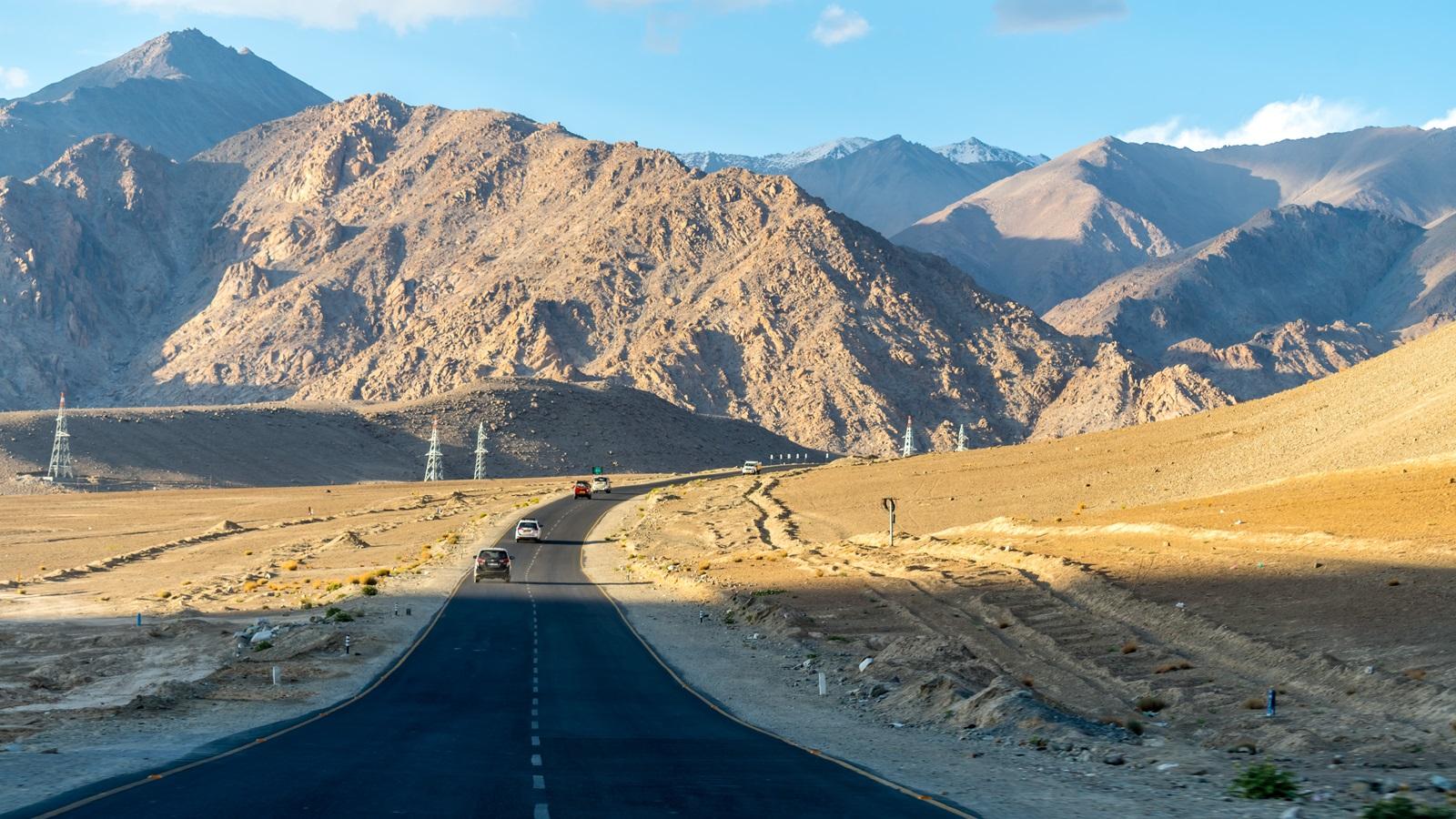
“This summer, we are witnessing a clear shift in travel behaviour, with a growing preference for air travel. This is reflected in a steady rise in outbound traffic to cooler destinations,” says Jaipuriar. Routes such as Srinagar, Leh, Jammu, Dehradun, Kullu, Chandigarh and Dharamshala have seen a notable rise in demand, with departures increasing by nearly 35 per cent in April compared to March, he says.
To meet rising demand, airlines have expanded operations accordingly. “Daily flights on these sectors have increased from 43 to 58, while overall seat capacity has grown by approximately 33 per cent to over 10,000 seats daily,” reveals Jaipuriar. “Additional flights have also been introduced, including two extra daily services to Srinagar and six additional flights to Leh, with further capacity additions continuing into May.”
Interestingly, the trend is no longer restricted to conventional hill stations alone. “We are observing growing interest in less crowded regions across Uttarakhand, indicating a more considered approach to travel, where passengers are seeking quieter and more experience-driven destinations,” he says.
What should travellers keep in mind while planning summer escapes?
Travel experts advise looking beyond saturated hotspots and considering second-tier mountain destinations that offer cooler climates, lower congestion, and better value. Travellers must also pay closer attention to road connectivity, internet quality, healthcare access, and sustainable tourism practices, particularly in remote Himalayan regions. Booking early has become essential as demand for cooler destinations surges during peak summer months. If what you value is privacy above everything, opt for boutique stays, homestays and villas that offer flexibility and a more immersive local experience over standard hotel formats.
The new luxury is no longer excess, but space, weather, silence and time. And as travellers continue to move beyond the predictable, India’s next big summer escapes may well be the places that still feel untouched, immersive and breathable.