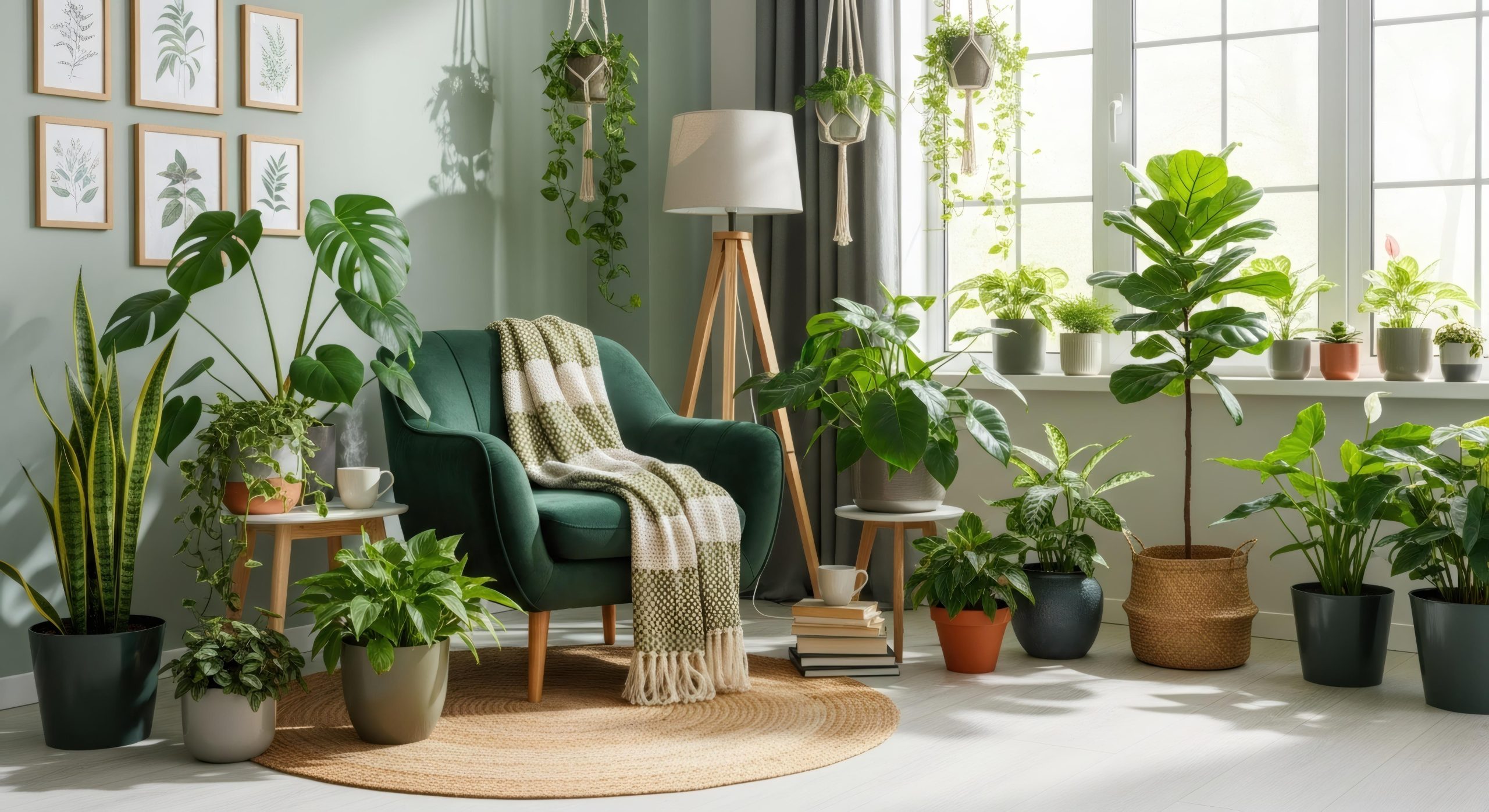
Walk into a high-end apartment in Gurugram, Mumbai, or Bengaluru and the shift is immediate. Marble, glass, and metal are being softened by green. But this is not casual greenery. It is intentional, curated, and carefully placed. Indoor plants are no longer just décor. In India’s luxury homes, they are becoming statements of wellness, status, and design intelligence, quietly reshaping how spaces are experienced.
How is biophilic luxury shaping Indian homes?
According to Delhi-based interior designer Sonia Madan, this change is driven by a deeper shift in how homes are being imagined. “The post-pandemic buyer is driving this trend called biophilic luxury, where plants are not accessories but integral to spatial planning,” she says. “A tall indoor tree becomes a focal point. A wall of greens replaces artwork. A sculptural plant sits where once a console table did. Wellness, air quality, and emotional comfort are now part of the luxury brief. Plants deliver all three, silently.”
How is the indoor plant market evolving in India?
India’s indoor plant market is seeing clear premiumisation. Brands like Ugaoo, Nurturing Green, and Kyari are combining scale with design-led offerings and curated plant solutions. Boutique platforms such as Rooted Box and Bombay Greens are pushing plants into collectible territory, while lifestyle-led players like FlowerAura are driving the gifting segment. Emerging brands including Trust Basket, Plant Orbit, and Future Roots are bridging accessibility and aspiration.
What defines premium today goes beyond the plant itself. Rare species, designer planters, self-watering systems, and styling services are becoming part of the experience. Brands are scaling up from basic greens to imported varieties, decorative planters, and even subscription-based plant care.
“We’ve seen a clear shift in the Indian mindset,” says Sneha Singh, who leads brand partnerships and collaborations at Ugaoo, an Indian gardening brand known for quality-controlled plants, premium planters, and solutions for urban home gardening. Plants are no longer occasional styling elements. They are becoming part of everyday living, provided they fit into busy urban routines.
“Plants are no longer viewed as high-effort décor,” she says. What was once seen as demanding is now being reimagined as low-maintenance wellness. For brands like Ugaoo, the opportunity lies in simplifying the experience. Guidance, ready soil mixes, and easy-care systems are becoming as important as the plants themselves. Demand is clearly moving towards plants that are both aesthetic and easy to maintain.
Which indoor plants are trending in urban homes?
“In cities where air quality is a concern, plants are no longer just decorative. They serve a purpose. Air-purifying varieties like areca palm, snake plant, and peace lily continue to be staples,” says Avi Kumar, chief marketing officer at FNP, a leading gifting retailer of flowers and house plants. Low-maintenance options such as ZZ plant and the ubiquitous money plant remain popular, especially among first-time buyers. These plants are suited to Indian weather patterns, making them easier to maintain.
At the same time, the conversation is shifting beyond utility. “What’s exciting is the rise of premium, design-led greens,” Kumar adds. Statement plants like monstera and philodendron birkin are now part of how people style their spaces. This segment is seeing strong growth, suggesting a move from need-based buying to taste-driven selection. People are investing in plants not just for what they do, but for how they make a home feel.
Is there a split between aspiration and practicality?
Insights from Trust Basket, an Indian home gardening brand offering planters, soils, and solutions, point to a clear divide. “On one side is aspiration and a growing interest in statement plants such as monstera deliciosa, fiddle leaf fig, olive trees, and bonsai,” a spokesperson for the company said, declining to be named. “These are sculptural choices that stand out and often come at a premium, depending on size and rarity.
But there is also the counter-trend of the ‘elevated desi greens’. Plants like snake plant, money plant, and areca palm are not new. The difference is in how they are styled: more intentional, more integrated into the design narrative. Consumers today are more design-conscious but still value ease. For many homes, the focus is shifting from owning rare plants to creating a well-styled plant corner. The plant itself is just one part of the story. Placement, light, planters, and overall composition are becoming equally important.
How should buyers choose the right indoor plants?
As interest grows, so does awareness. “It’s less about avoidance and more about choosing the right plant for the right environment,” says Kumar. The issue is rarely the plant itself, but where it is placed. Cacti and succulents, for instance, are popular but often struggle indoors because they need strong sunlight. Certain flowering plants face similar challenges, as they require consistent light and care that many homes cannot provide.
There is also a growing focus on safety. Households with pets are becoming more mindful about plants like dieffenbachia, which can be harmful to them. “India has always had a deep connection with plants, but traditionally in outdoor settings,” Kumar notes. What is changing now is that plants are moving indoors, and quickly. Younger, urban consumers are leading this shift. Plants are being adopted as part of everyday living and also as thoughtful gifts for occasions like housewarmings and birthdays.
How are planters becoming design statements?
If plants are the highlight, planters are shaping the look. Planters are no longer just functional; they are becoming part of interior design, says a spokesperson from Trust Basket. Metallic finishes and gold tones are popular in contemporary homes, while lightweight polymer pots that resemble ceramic or stone are gaining ground for their practicality. Even terracotta is being redesigned into simpler, more modern forms.
Urban buyers are also choosing materials that are easy to move and maintain. Heavy ceramics are giving way to lighter, more durable options. The typical price range sits between Rs 800 and Rs 2,500, with larger pieces going higher. The idea is simple: a premium look minus the inconvenience.
Why is maintenance becoming central to plant luxury?
Behind this aesthetic shift is a quiet but growing ecosystem of professional gardeners and plant maintenance services. In many luxury homes, plants are no longer a one-time purchase but part of an ongoing service. Weekly visits, pruning schedules, soil replacement, and pest management are increasingly outsourced.
“Maintenance has become as important as selection,” says Satish Sharma, an urban gardening specialist based in Gurugram. “Many homeowners now prefer ongoing plant care services so their greens always look fresh and well-styled without requiring daily attention.” For homeowners, this ensures that the greens remain healthy and visually consistent without demanding time or expertise.
Gardeners say the biggest change is not just in what people are buying, but how seriously they are treating it. “Earlier, plants were an afterthought. Today, clients discuss light, placement, and long-term growth before buying,” says Rakesh Kumar, an indoor plant consultant in Delhi NCR. There is also a growing willingness to invest in larger indoor trees and curated corners that evolve over time. In that sense, indoor gardening is no longer casual. It is becoming considered, deliberate, and, in many ways, a reflection of how luxury itself is being redefined.
Is quiet luxury shaping indoor plant trends?
The real shift is subtle. In India’s luxury homes, greenery is becoming part of how people want to live: calmer, more balanced, and more connected to nature. This is not luxury that announces itself. It does not rely on excess or visibility. Instead, it sits quietly in a room, softens the space, and changes how it feels.
In many ways, indoor plants reflect a larger shift in luxury itself — one that values experience over display, and meaning over noise.