Indian summers are no longer a short seasonal inconvenience. They are becoming longer, harsher and more exhausting, quietly reshaping the way women dress, shop and define comfort. Across cities, wardrobes are undergoing a visible shift. Synthetic-heavy fast fashion is beginning to lose favour as breathable fabrics, softer silhouettes, and lighter dressing take centre stage.
Maira Malhotra, a 34-year-old marketing professional from Gurugram, says her summer wardrobe has changed significantly over the last few years. “Earlier, I would buy trend-driven outfits that I barely repeated. Now I look for pieces that feel light, breathable and versatile enough to work across meetings, travel and dinners. I would rather invest in fewer high-quality outfits that I can style differently than keep buying fast fashion every season,” she says.
What is emerging is not merely a seasonal trend but a broader lifestyle transition. Summerwear today sits at the intersection of climate, wellness, mobility and quiet luxury. Women are increasingly investing in clothes that feel lighter on the skin, move easily through long days and adapt effortlessly from work meetings to airport lounges to weekend escapes.
Why Are Handcrafted Fabrics Making A Strong Summer Comeback?
Designers say the modern summer wardrobe is no longer being driven only by fashion and what is trending. Fabric has become central to buying decisions. Consumers are paying closer attention to texture, breathability, and how clothing performs in extreme heat and humidity.
Designers like Divya Sheth have long worked with handcrafted textiles and fluid silhouettes suited to Indian climates. Fashion observers say the renewed interest in artisanal summerwear is being driven both by sustainability concerns and a growing preference for slower, more thoughtful fashion.
This season, Sheth is focusing on relaxed kaftans, shirts, and kurtas rooted in breathable craftsmanship. “Summer is killing, and how!” she exclaims. “Something natural like cotton, linen, naturally dyed and handwoven fabrics is luxury which the modern Indian woman should indulge in. Beyond that, there is also a growing desire for hand-painted, art-inspired and zero-waste outfits that allow self-expression.”
For Sheth, the mood of summer lies in craft-led textures and heritage techniques. Kalamkari, hand-painted natural dyes, block-printed Ajrakh, hand embroidery, hand-spun khadi and handwoven textiles layered with silk organza are strongly influencing her collections this season. The emphasis is on clothing that feels light, easy and deeply rooted in Indian craftsmanship while remaining contemporary in silhouette.
How Is Practical Luxury Changing Women’s Summer Wardrobes?
As heatwaves intensify and lifestyles become increasingly fast-moving, women are beginning to build wardrobes around ease, versatility and fabrics that can survive long Indian summers without compromising on style. Fashion sourcing and textile industry expert Jasveen Kaur, vice-president at Newtimes Group, a global apparel sourcing and supply chain company working with major international fashion brands, feels that today’s urban Indian women are becoming far more conscious about what actually works for their lifestyle. “Women are moving towards clothes that feel easy, polished and practical at the same time. Fabrics like cotton, linen, mulmul and cotton silk work far better in Indian summers, which is why people are naturally moving away from synthetic-heavy dressing.”
She adds that wardrobes are also becoming more functional. “Women want outfits that can move through the day with them, from work meetings to dinners or travel, without needing a complete change. There is definitely more focus now on buying fewer but better pieces,” Kaur says.
Another visible shift this season is the growing move towards repeat-wear fashion and wardrobe versatility. Women today are increasingly investing in pieces that can transition across multiple settings rather than remain limited to a single occasion. A relaxed linen shirt may move from a work meeting to airport travel, while a lightweight draped sari or fluid co-ord can shift seamlessly from brunches to evening gatherings. Industry experts say the focus is now on creating wardrobes that feel adaptable, climate-conscious and emotionally durable rather than trend-driven and disposable.
That shift is visible across fashion categories. Structured and heavily layered clothing is gradually making way for anti-fit dresses, relaxed co-ord sets, oversized shirts, fluid trousers, kaftans and softer Indian silhouettes designed around movement and comfort. Fashion is becoming less restrictive and more breathable, both physically and visually.
Labels are also responding to this growing preference for relaxed yet elevated dressing. For summer 2026, RÉIK is focusing on fluid silhouettes, exaggerated tailoring and lightweight layering that balance comfort with statement dressing. Designed by sibling duo Deepanshu and Sneha, the collection combines oversized proportions, monochrome stripes, soft prints and easy volumes in shades such as ivory, emerald green, cherry red and black-and-white. The emphasis remains on versatility, allowing pieces to move seamlessly between everyday wear and more elevated occasions.
“We wanted Collection 2026 to reflect the freedom of a woman who changes her mind. Some pieces carry the ease of the everyday, while others are designed for elevated moments. That balance between relaxed and refined has always been central to the RÉIK vocabulary,” say Deepanshu and Sneha.
Why Is Indian Wear Returning To Everyday Office Fashion?
Another visible shift this summer is the growing return of handcrafted Indian wear into everyday work wardrobes. As office dressing becomes more relaxed and climate-conscious, many women are moving away from heavily structured Western formals towards breathable kurta sets, cotton-silk saris and softer Indian silhouettes that balance comfort with polish.
Sarika of Pink City by Sarika says handcrafted Indian wear is increasingly being embraced as modern power dressing for urban women. The label’s summer collections focus on crisp angrakhas, lightweight kurta sets and breathable saris that can move seamlessly from meetings to evening outings.
She says the post-pandemic return to workplaces has also triggered a wider shift where Indian dressing is being seen less as occasionwear and more as elegant, practical and everyday fashion.
How Are Destination Weddings Influencing Lighter Occasionwear?
The move towards lighter dressing is visible not just in everyday wardrobes but also in occasion fashion. According to Arpita Mehta, founder and creative director of Arpita Mehta, destination weddings and multi-city celebrations are reshaping what women now expect from festive fashion. “As destination weddings continue to grow, from Rajasthan and Goa to Thailand and Europe, women are increasingly looking for festive outfits that feel elegant without being heavy or restrictive,” she says.
Mehta believes occasionwear today is becoming softer, easier to move in and far more versatile across functions and destinations. “Saris, co-ords, draped separates and lightweight festive silhouettes are increasingly replacing heavily layered ceremonial dressing,” she says.
She also points to a larger shift in consumer behaviour. “People are becoming more interested in the story behind a garment, how it is made, the craftsmanship involved and the individuality of the piece, rather than simply buying traditional silhouettes for the sake of occasion dressing.”
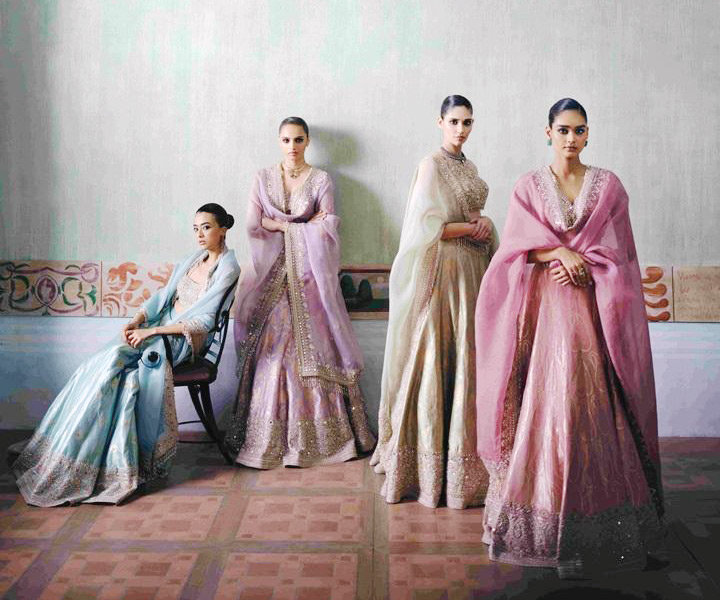
For summer 2026, her collection Everlight reflects this shift towards lighter celebration dressing. The collection focuses on airy tulles, fluid georgettes, pastel sequins, softened metallics and movement-led silhouettes designed for destination weddings and intimate festivities. Powder blues, muted ivories, blush tones and champagne golds dominate the palette, while delicate mirror work, Banarasi-inspired textures and lightweight embroidery bring together traditional craftsmanship with a softer, more contemporary mood. The collection revisits classic Indian occasionwear through a more wearable lens, creating pieces that feel festive yet relaxed enough for celebrations spread across multiple locations, climates and dress codes.
How Can Women Style Summerwear Without Compromising Comfort?
Summer styling works best when it feels balanced and effortless. According to fashion industry insider Jasveen Kaur, the first thing to consider is the occasion and weather, followed by comfort and breathability. “In India, comfort cannot be compromised in summer. The fabric has to feel good on the skin and allow movement through long days,” she says.
She also believes every outfit should have one strong element or “statement piece” around which the rest of the look is built. “If the silhouette is relaxed, keep the styling cleaner. If the styling is softer, keep the silhouette sharper. Summer dressing looks best when it is simple and not overdone.” But eventually, confidence is what pulls the entire look together. “Confidence is still the best thing you can wear,” she says.