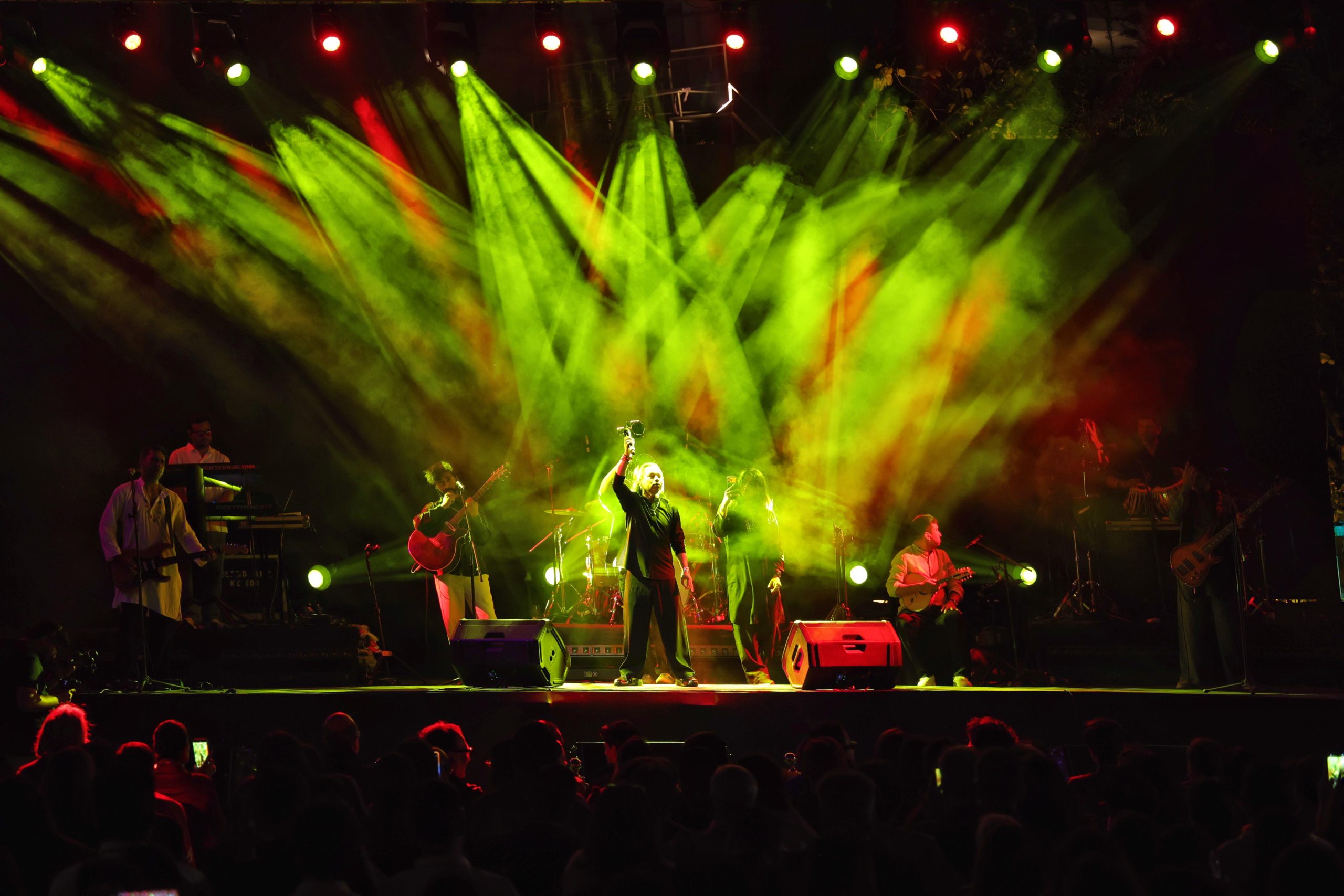
Concerts today are no longer just about music. They are evolving into immersive lifestyle experiences where audiences are spending not only on tickets, but also on travel, fashion, food, hospitality, exclusive access, and curated experiences. From Coldplay and Diljit Dosanjh concerts to global EDM festivals and spiritual music gatherings, India’s live entertainment economy is witnessing a visible shift towards experiential spending.
According to BookMyShow, the movement towards premiumisation in the event space has been driven largely by changing audience expectations. Anil Makhija, chief operating officer (Live Entertainment & Venues) at BookMyShow, says the shift did not begin with the industry deciding to upsell, but with audiences themselves wanting more from live entertainment.
“For a long time, consumer conversation in India was centred around access: bigger artists, more venues, more cities and more people attending live events. Somewhere around 2022 and 2023, that conversation started changing. The question was no longer just ‘Will I be there?’ It became ‘What will I come away with?’” says Makhija.
The rise of experience-led concerts
As India’s concert economy expands, live entertainment is increasingly evolving into a premium, multi-sensory experience where music is only one part of the larger consumer journey. That shift has unlocked an entirely new experiential layer. According to BookMyShow data analysis, audiences today are no longer simply willing to pay more for a better seat or viewing area. They are increasingly building entire weekends, travel plans and social experiences around concerts and festivals. “The nearly 2X growth in footfalls for premium live experiences highlighted in BookMyShow Throwback reflects that clearly. It signals that India’s live entertainment market is steadily moving up the value chain,” says Makhija.
Interestingly, one of the earliest indicators of this shift came through food. At Lollapalooza India, BookMyShow developed the “Lolla Food Park” into a curated culinary experience featuring festival-exclusive dishes and immersive food-led engagement zones. Audiences spent time exploring these spaces in much the same way they engaged with performance stages, signalling that concerts were evolving into multi-sensory experiences.
From there, audience expectations naturally expanded towards comfort, hospitality and access. Premium ticket categories at Lollapalooza India evolved from enhanced viewing formats into hospitality-led experiences that combined curated food and beverage offerings, merchandise, shaded premium zones, and VIP privileges. Hospitality and travel brands have also become increasingly integrated into the concert ecosystem. Airbnb created curated hosting and stay experiences linked to the festival, while Marriott Bonvoy packaged hotel stays with Ed Sheeran tour tickets, effectively turning concerts into destination weekends.
Makhija says another visible trend is the growing demand for emotional proximity. Experiences such as Jung Kook’s “GOLDEN: The Moments”, The Messi Experience, and artist interactions linked to tours by Westlife and Cigarettes After Sex show how audiences increasingly value intimacy, memory and emotional engagement alongside spectacle.
He adds that music, fashion, gaming, food, sport and digital culture are now deeply interconnected within the audience mindset, influencing how live events are conceptualised. Formats such as The MIX, created by the Mumbai Indians and BookMyShow Live’s BrandLabs, emerged from this overlap, blending fandom, participation and lifestyle culture into a single immersive environment.
“Ultimately, the most effective live experiences today are the ones that combine emotional connection with environmental quality,” says Makhija. “Audiences want to feel like they are somewhere, not just at something. That is increasingly what they are looking for and what the industry is now building toward.”
The New Luxury Is Front Row
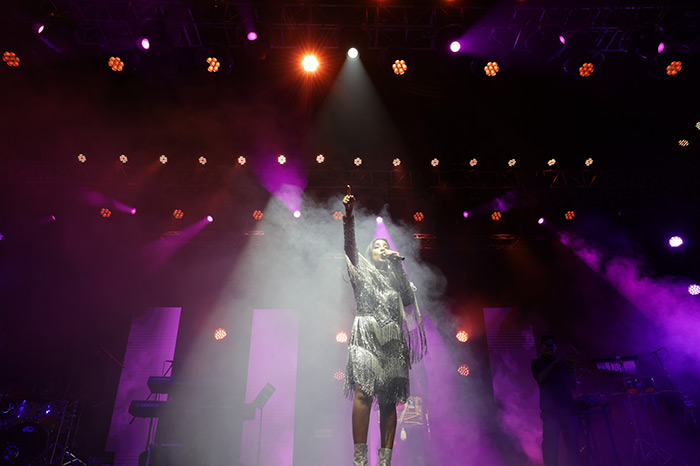
With consumers increasingly willing to pay a premium, ticket prices are now stretching well beyond Rs 10,000 per person, often bundled with hospitality, gifting, VIP access, and curated engagement. Take the case of the upcoming ‘Music for Mandir’ bhakti concert series at Yashobhoomi, where artist Maithili Thakur is set to perform live in June. The event reflects how even devotional music experiences are being positioned through tiered experiential offerings. Ticket categories begin with Bronze at Rs 1,100 offering basic seating and Sri Krishna Prasadam, moving up through Silver, Gold, and Platinum packages that add premium seating, devotional gifts and curated food experiences. The highest tier – “Chandrodaya Exclusive” priced at Rs 11,000 – includes VIP seating, a meet-and-greet with the artist, devotional gifts, dinner and the chhappan (56) bhog Sri Krishna Prasadam.
According to Amit Aggarwal, head of exhibitions (Sales & Marketing), Yashobhoomi, premium categories are witnessing some of the strongest demand. “The more premium the tickets, the faster their absorption in the market by customers. At a recent Anoushka Shankar concert, where ticket prices ranged from around Rs 2,000 to Rs 20,000, it was the highest-priced category that sold out first,” he says.
The growing demand signals a larger consumer shift: audiences are no longer paying merely to attend an event. They are paying to feel part of an experience.
Where luxury hospitality meets live music
Music-led experiences are increasingly becoming a strong driver for guests to engage with luxury hospitality spaces. Hotels are no longer positioning concerts as standalone entertainment events.
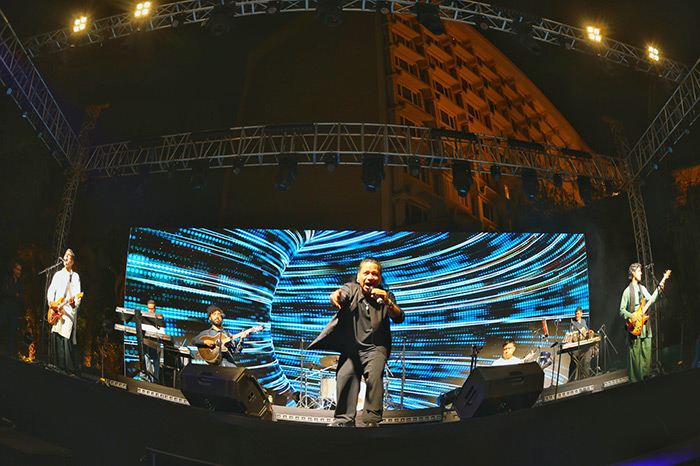
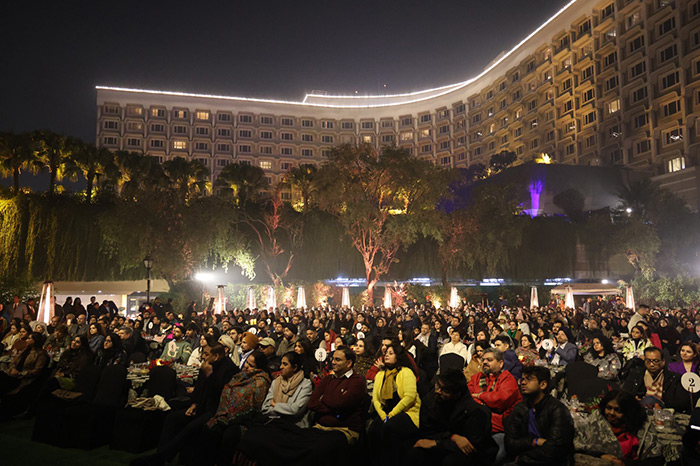
At Taj Palace, New Delhi, this shift is visible through its live concert series featuring artists such as Rekha Bhardwaj, Shilpa Rao, and Kailash Kher, with Hariharan slated as the next performer. According to Praydhumna Singh Rathore, general manager, the response across editions has been “extremely encouraging”, with audiences appreciating the fully-seated format, seamless on-ground experience, curated food and beverage service, and premium hospitality touchpoints.
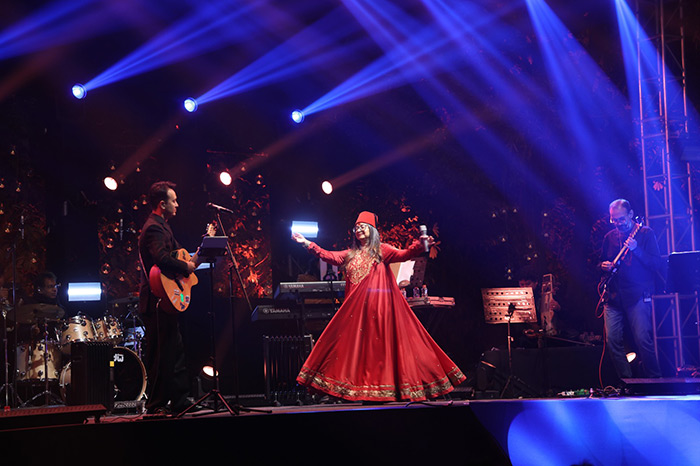
Rathore says the concert intellectual property (IP) emerged from a visible shift in consumer aspiration. “Guests today are seeking experiences that go beyond a conventional outing. They want music, gastronomy, comfort, service, and a sense of occasion brought together seamlessly,” he explains.
What distinguishes the format is its hospitality-led approach. Unlike crowded large-format concerts, the seated experience appeals across generations, attracting corporate leaders, entrepreneurs, families, senior citizens, music connoisseurs and younger affluent audiences alike. Differential pricing structures based on seating categories and curated inclusions further reflect how concerts are increasingly moving into the experiential luxury space, where audiences are willing to pay for comfort, exclusivity and elevated engagement.
Building concerts as multi-sensory experiences
As experiential spending grows, concerts are increasingly evolving into larger lifestyle and entertainment experiences rather than remaining limited to music performances alone. According to Adnan Morbiwala from Pegasus Events and TTM, the success of large-format events today lies in creating multiple layers of engagement around the artist.
Morbiwala points to “The Great Mela” in Dubai, an IP event created with singer-composer Amit Trivedi, as a strong example of how concerts are evolving into multi-sensory experiences. While the artist remains the biggest attraction, he says the overall experience is built through a mix of carefully curated touchpoints including food and beverage zones, merchandise, interactive brand activations, photo booths and social engagement spaces.
“The idea is to appeal to multiple senses and create something exhilarating and high energy,” he explains. At The Great Mela, artists and experiences were programmed to attract diverse audience groups, while immersive spaces around bars, food courts and branded installations encouraged guests to spend more time engaging with the event.
According to Morbiwala, social media, influencer culture and hyper-connectivity have accelerated this trend significantly. Concerts today offer brands direct opportunities to engage consumers through in-person interactions, giveaways, immersive activations and artist-led experiences. “Consumers actively participate because they enjoy the engagement – whether it is meeting their favourite artist or experiencing something exclusive,” he says.
He adds that this format is now extending beyond concerts into weddings, corporate events and private celebrations, where curated experiences are increasingly becoming central to audience engagement and spending.
Concerts as the new mini-holiday
For many consumers, concerts today are beginning to resemble mini-holidays – immersive outings where the spending extends far beyond the ticket itself. Simran Arora, who recently attended a Diljit Dosanjh concert, says the experience included travel, coordinated fashion, food, merchandise and premium hospitality spends. “It honestly felt like spending on a short vacation. The concert became the centrepiece, but the entire day revolved around the experience,” she says.
Similarly, Mehak Mehta, who opted for a premium food and beverage package at a Sunidhi Chauhan live concert, says she is willing to pay extra for comfort and convenience. “You don’t want the stress of queues or overcrowding. Neither do you want to go back home and make dinner after such a great experience.” she says.
The fine print behind the experience
However, as experiential spending around concerts rises, industry observers say consumers also need to remain cautious. Dynamic pricing, hidden convenience fees, inflated resale tickets, and unofficial hospitality packages are becoming increasingly common. Experts advise buyers to book through verified platforms, carefully evaluate bundled offerings and avoid impulse purchases driven by social media hype or FOMO (fear of missing out). As concerts increasingly position themselves as premium lifestyle experiences, consumers are also learning that not every expensive upgrade necessarily enhances the experience in proportion to its cost.