At IHCL’s heritage retreat, the menu is as much about Garhwali traditions as it is about global comfort food
Haridwar has always been associated with simple, soulful vegetarian food. Pilgrims queue up for piping hot aloo kachoris, puri-sabzi, kanji vadas and chaat before making their way to the ghats. But tucked away inside IHCL’s Pillibhit House, a different culinary story is quietly unfolding.
The century-old aristocratic home, now restored into a 35-room luxury hotel, reflects the changing face of Haridwar itself. The city is no longer visited only by pilgrims seeking spiritual solace. Families are arriving to celebrate birthdays and anniversaries, wellness travellers are extending their stays, and younger guests are looking for experiences that go beyond temple visits. Their expectations from food have evolved too.
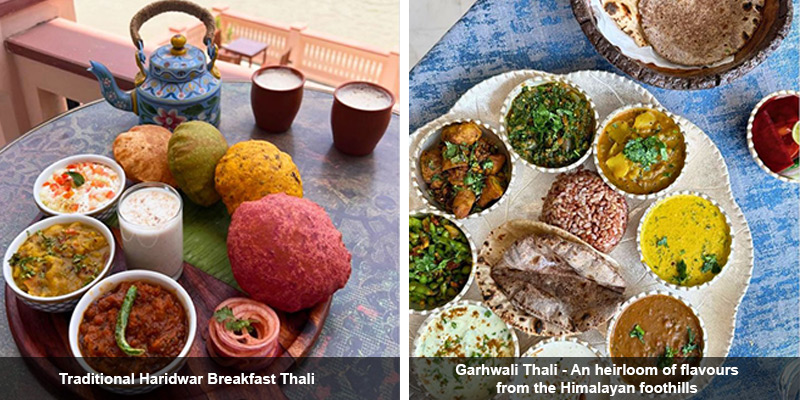
Breakfast is perhaps the best reflection of this changing traveller. The buffet moves effortlessly between the familiar and the unexpected. Alongside Haridwar’s famous aloo kachori and puri-sabzi sit quinoa upma, freshly baked croissants (all bakery products without egg since this is vegetarian city), blueberry and banana smoothies, cereals, seasonal fruits, fresh juices and an assortment of breads plus live counter for dosas, puris, paranthas, kachoris etc. It is a breakfast that allows guests to begin the morning exactly the way they like—whether with local street flavours or a continental spread.
“We realised that today’s travellers are extremely well travelled,” says Mayank Mittal, General Manager, Pilibhit House and Hari Ganga Niwas by Taj. “When they come to Haridwar, they definitely want to experience local cuisine. But they also appreciate having global comfort food. Our philosophy is simple—we never say no.”
That philosophy runs through the hotel’s menus. Guests can sample authentic Garhwali cuisine prepared using locally sourced ingredients from Uttarakhand—everything from bhang ki chutney and jhangora (barnyard millet) to indigenous varieties of rajma that are found only in the Himalayan region. Millets, local grains and traditional recipes find pride of place alongside Haridwar’s celebrated breakfast classics.
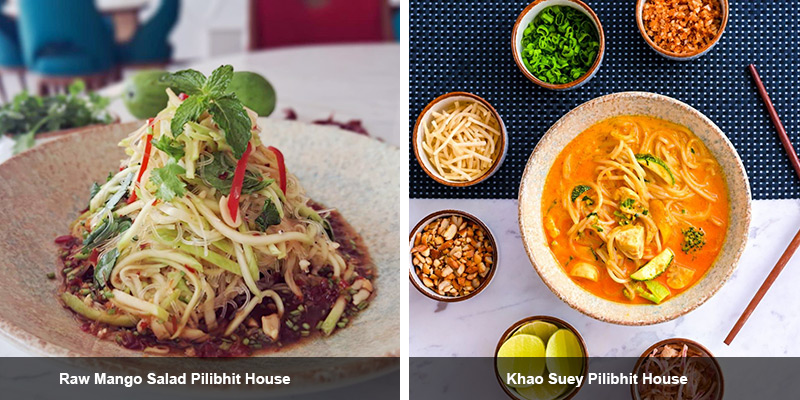
At the same time, the chefs recognise that not every traveller wants dal and roti for every meal. The rooftop restaurant, with sweeping views of Haridwar and the surrounding hills, has emerged as one of the city’s most unexpected culinary destinations. Its menu spans Pan-Asian and European favourites, offering everything from raw mango salad to Vietnamese fresh rolls, Thai curries, Korean ramen bowls, fried rice with black bean sauce, handcrafted pastas, lasagnes, stone-baked pizzas and a wide selection of dim sums. “In many families, someone always wants a pasta or a pizza,” laughs Mittal. “When you come home and ask your mother to cook something different, she doesn’t refuse. She makes whatever you feel like eating. That’s exactly how we look at hospitality. We want guests to feel they are coming home—not checking into a hotel.” That “home away from home” philosophy extends even to customised meals. Guests who avoid onion and garlic, for religious or personal reasons, are served Chinese dishes prepared without either ingredient—something rarely found even in metropolitan restaurants.
“Our guests stay for two or three nights,” explains the culinary team. “They shouldn’t feel restricted or bored. We want them to enjoy variety without compromising on their preferences.”
Assistant Food & Beverage Manager Sanjay Singh says the restaurant’s biggest crowd-pullers include its Neapolitan-style stone oven pizzas, handcrafted dim sums and Himalayan noodle soup infused with locally sourced herbs and mountain spices. Another signature offering is Himalayan black rice—also known locally as red rice—a nutritious regional grain that rarely finds its way onto mainstream restaurant menus.
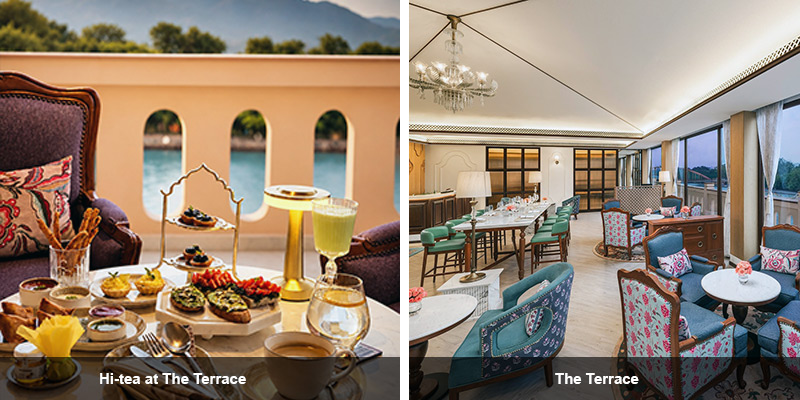
Even desserts bridge continents with ease. Traditional favourites like badam halwa share space with Lotus Biscoff cheesecake, blueberry cheesecake and an array of international pastries, ensuring that the final course feels every bit as indulgent as the meal itself.
One of the property’s most memorable experiences is “Dine Under the Mango Tree,” where a beautifully laid table beneath an old mango tree transforms an ordinary dinner into an intimate celebration. The hotel recently hosted its first wedding around this very tree, a sign of how Haridwar is gradually emerging as a destination for celebrations alongside spirituality.
Every evening at 5.30 pm, guests gather for Tea Tales, an elegant high-tea ritual before walking together to witness the iconic Ganga Aarti an hour later. The experience beautifully captures what Pilibhit House seeks to offer—a blend of heritage, hospitality and quiet luxury.
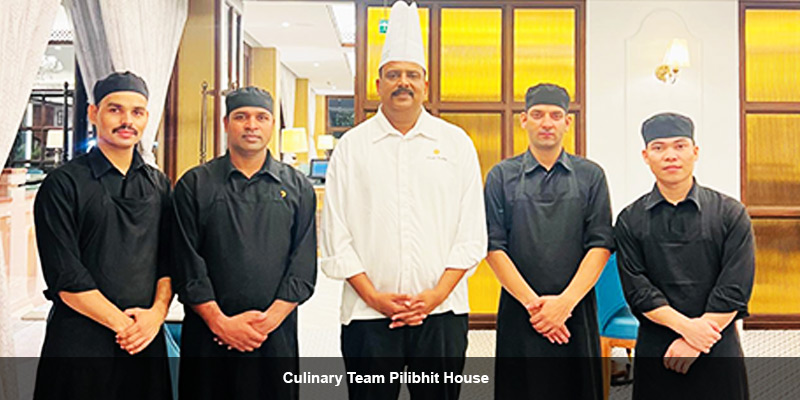
“Pilibhit House was the first luxury hotel to open here in 2021,” says Mittal. “We also have one of the largest private ghats in Haridwar. But what truly defines us isn’t the building or the location. It’s the heartfelt service. This was once someone’s home, and we want every guest to feel that warmth.”
In a city where faith remains the biggest attraction, food has quietly become another reason to linger. At Pilibhit House, that journey can begin with an aloo kachori for breakfast and end with asparagus dimsum and Himalayan noodle soup under the stars—a reminder that modern Indian hospitality is increasingly about embracing every kind of traveller without losing sight of its roots.