At sunrise on the banks of the Ganges, guests begin their day with a riverside yoga session. Later, they gather over an organic meal to discuss the Bhagavad Gita and Indian philosophy with a Sanskrit scholar before unwinding with Ayurvedic therapies, browsing a curated library or watching the evening Ganga Aarti unfold from a private ghat. The room tariff? Upwards of ₹35,000 a night.
Luxury has long been associated with indulgence — lavish suites, destination spas, fine dining, the works. Increasingly, however, affluent travellers are seeking experiences that promise something deeper. Instead of merely returning with photographs, they want to return with perspective. That shift is quietly reshaping India’s premium travel landscape, giving rise to one of its fastest-growing segments: luxury spiritual tourism.
Faith meets five-star
The idea of a luxury holiday is evolving. Increasingly, high-net-worth Indians are seeking journeys that combine premium hospitality with opportunities for reflection, cultural immersion, and personal renewal. From helicopter-enabled pilgrimages and private chauffeured transfers to assisted VIP darshans, personalised pujas, and boutique heritage stays, the modern spiritual holiday is increasingly being curated with the same attention to detail as any luxury vacation. Travellers are also willing to spend significantly more for seamless, customised experiences that deepen their connection with the destination.
Rajeev Kale, president and country head (Holidays, MICE & Visa) at Thomas Cook (India), says the company has witnessed nearly 25 per cent growth in luxury spiritual tourism over the past two to three years. “Luxury spiritual tourism has emerged as one of the fastest-growing segments within our Bhakti portfolio, driven by affluent travellers seeking meaningful journeys without compromising on comfort, convenience and exclusivity,” he said.
“While luxury spiritual holidays typically start at around ₹1 lakh per person for a five-day itinerary, they can exceed ₹1.5–2 lakh for exclusive helicopter-enabled pilgrimages,” Kale said, adding that the company is seeing seeing travellers place greater value on immersive and bespoke religious experiences.
Luxury on the riverbank
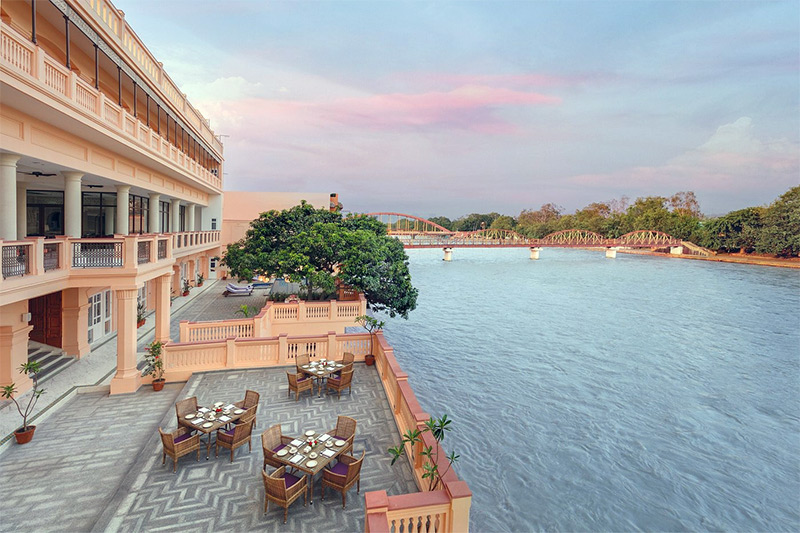
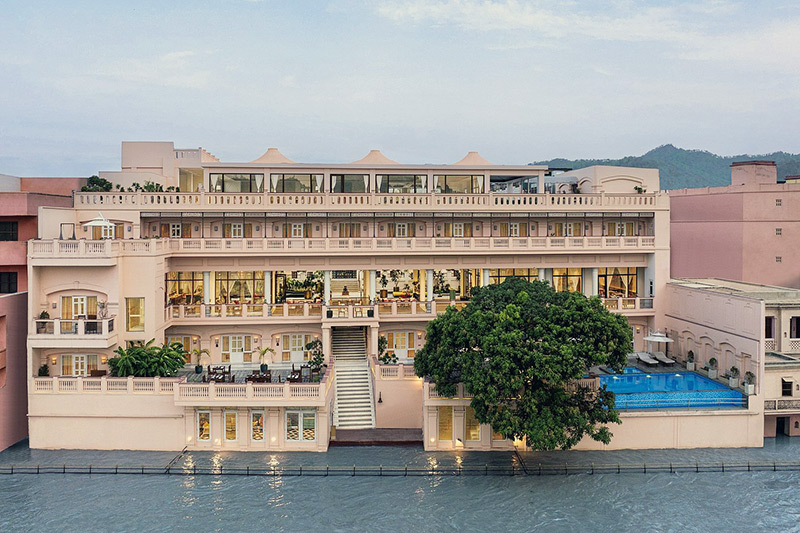
At Pilibhit House IHCL Seleqtions in Haridwar, a century-old 35-key aristocratic heritage residence overlooking the Ganga, Mayank Mittal, general manager, says the endeavour is to “bring the spirit of Haridwar into the hotel. Everything that defines the city—from its spirituality and rituals to its warmth and hospitality—can be experienced right here within the property. Guests experience the destination as much as they experience the stay.”
If Haridwar offers a curated spiritual retreat, Varanasi presents a more immersive encounter with one of the world’s oldest living cities. Luxury here is less about opulence and more about slowing down, engaging with centuries-old traditions and experiencing the city’s spiritual rhythm from the banks of the Ganges.
“Luxury in Varanasi is fundamentally different from what it means in a conventional leisure destination. It is not defined by excess or opulence, but by privileged access to one of the world’s oldest living cities and the ability to experience it in an intimate and unhurried way,” says Udit Kumar, co-founder of Brij Hotels.
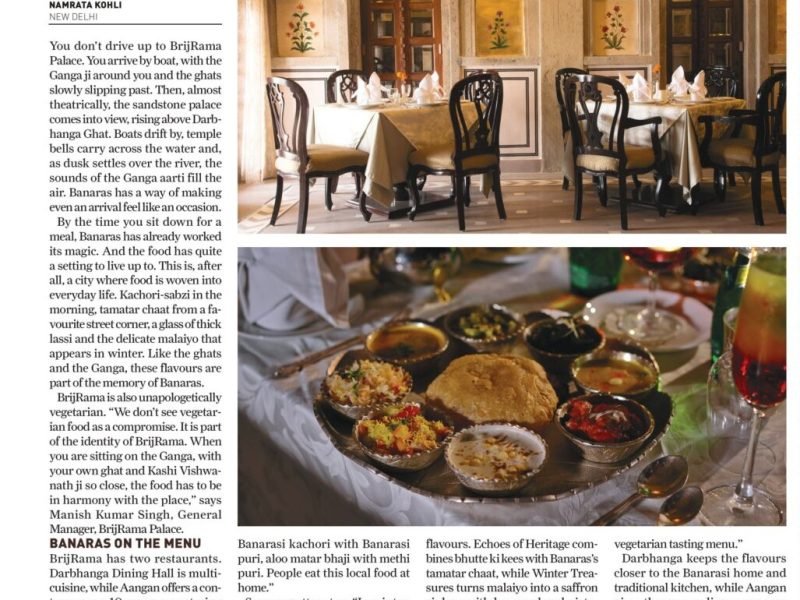
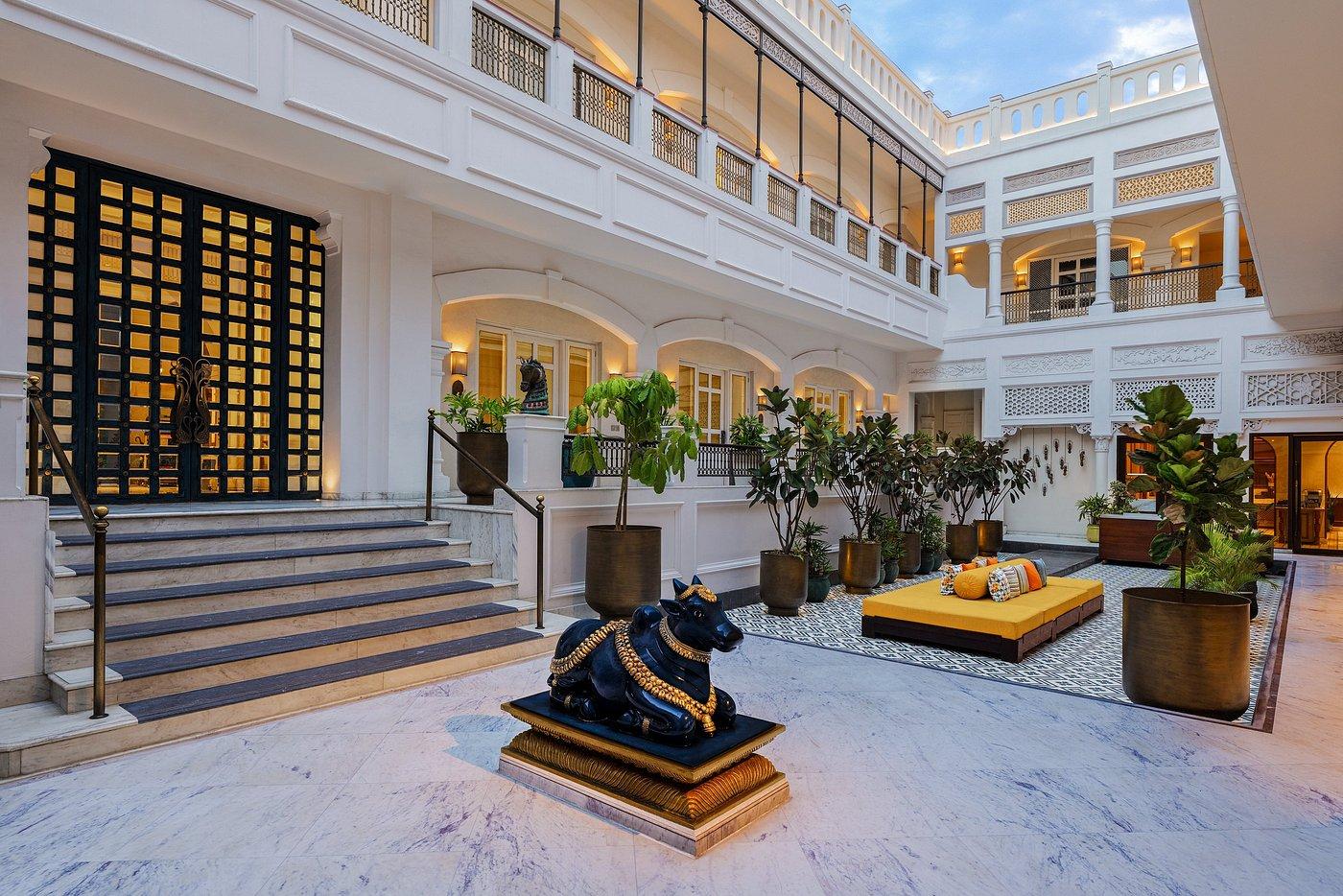
At BrijRama Palace, a restored heritage palace also overlooking the Ganga, guests wake to the sound of temple bells before setting out on private sunrise and sunset boat rides, guided heritage and temple walks, yoga sessions, curated cultural performances, and exclusive viewing of the Ganga Aarti.
Kumar says the profile of visitors has evolved significantly over the past few years. While pilgrims continue to visit, the hotel is increasingly welcoming affluent leisure travellers, international guests, cultural explorers and younger Indians seeking heritage, philosophy and immersive experiences. The average stay has also increased to two or three nights as travellers choose to slow down rather than treat Varanasi as a stopover.
“Luxury today is increasingly experience-led rather than product-led. Guests are far more willing to invest in experiences that offer authenticity, exclusivity and a deeper connection with the destination. Travellers want to return home with stories, perspectives and memories that cannot be replicated elsewhere,” says Kumar.
Curated Yet Slow Travel
The trend extends well beyond heritage hotels. Luxury resorts in destinations such as Rishikesh are discovering that travellers increasingly want spirituality woven into their stay rather than offered as an optional excursion. For Gurugram-based artist Shibani, a recent stay in Rishikesh was defined less by the room than by its setting. “There is something about choosing to stay on the banks of the Ganga,” she says. “The view of the river was beautiful. The atmosphere was incredibly calm, and attending the morning and evening aarti at the (Taj) resort’s private ghat made the experience truly special. My husband and I came back feeling completely rejuvenated.”
Travel companies believe this reflects a broader shift in consumer behaviour. “Spiritual travel has evolved into a distinct and fast-growing holiday category,” says S D Nandakumar, president and country head (Holidays and Corporate Tours) at SOTC Travel. “Today’s spiritual traveller is far more informed and intentional, seeking experiences that combine devotion with comfort, convenience and cultural immersion.”
According to Nandakumar, travellers are increasingly willing to pay a premium for assisted and priority darshans, exclusive temple rituals, guided spiritual walks, helicopter darshans and curated pilgrimage circuits. Improved connectivity has also made remote destinations more accessible, while premium travel formats have elevated the overall experience. “The focus has shifted from simply visiting a temple to engaging more deeply with the destination’s traditions and spiritual significance,” he says.
Looking Inward
India’s temples, sacred rivers, and pilgrimage routes have existed for centuries. What has changed is not the spirituality they offer, but the way travellers choose to experience them. Hotels are no longer selling only spectacular rooms or breathtaking locations. Luxury, it turns out, is no longer defined solely by thread counts, infinity pools, or Michelin-adjacent menus. Increasingly, it is measured by experiences that linger long after the journey ends.
As Kumar says: “Increasingly, luxury is being defined not by what guests own or consume, but by how deeply they are able to connect with a place, its people and its traditions. Luxury today is increasingly experience-led rather than product-led. Guests are far more willing to invest in experiences that offer authenticity, exclusivity and a deeper connection with the destination.”
Or, as the changing face of Haridwar suggests, travellers are no longer arriving only to perform rituals of farewell. They are coming in search of something far more personal — a chance to pause, reconnect and look inward. That evolution is perhaps best reflected in what Mittal has witnessed since the opening of Pilibhit House. “When we first opened, everyone believed Haridwar was only about sorrow travel. Today, we are seeing families, couples and young travellers coming simply to experience the city. They stay longer, immerse themselves in its rituals, and leave with a completely different understanding of what Haridwar has to offer.”