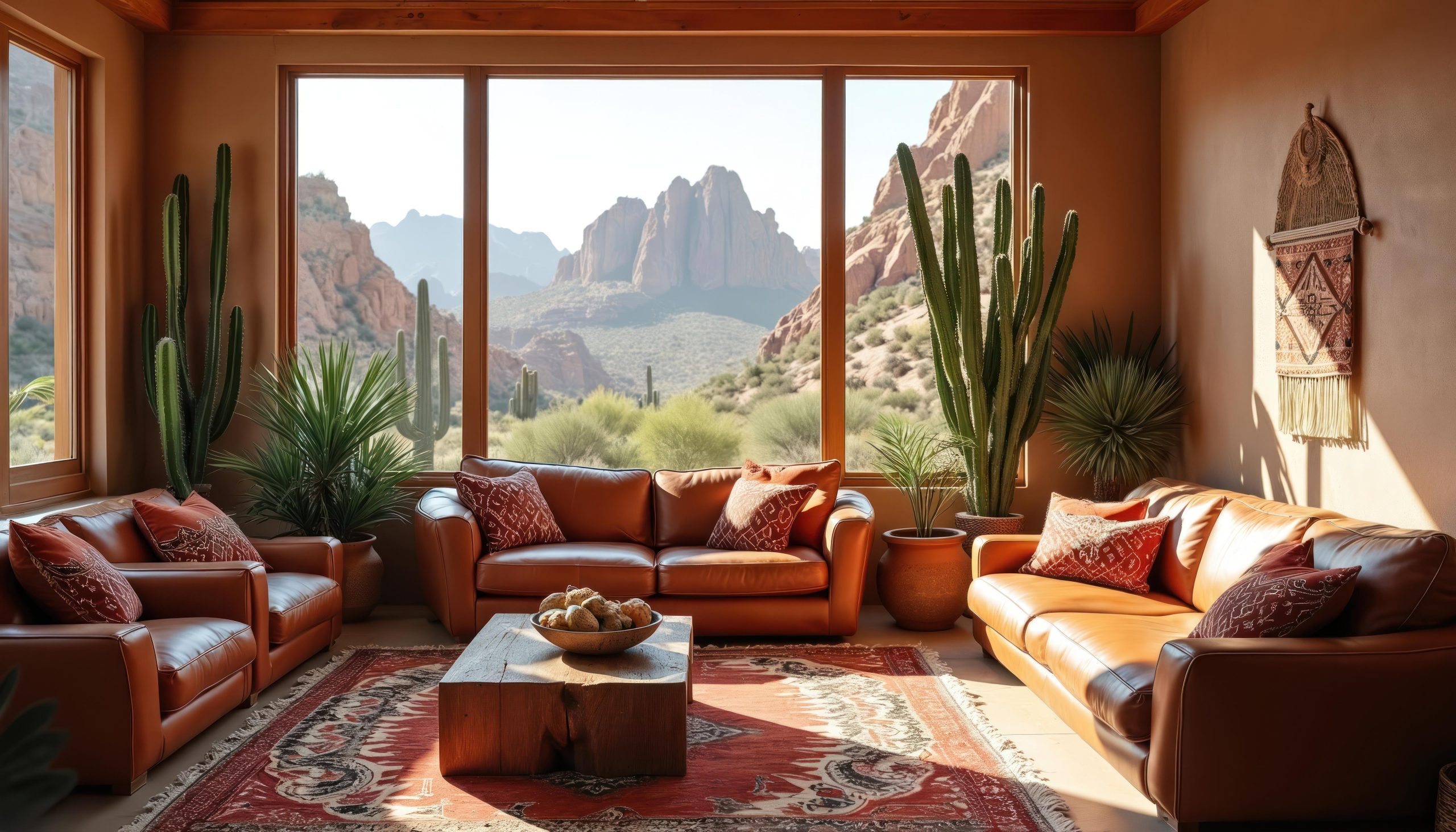
For years, the Indian home invested in chandeliers, statement lighting, art pieces on walls. Floors were often treated as the background. Today, that hierarchy is quietly changing. Increasingly, some of the most thoughtfully curated homes start, literally, from ground up.
Rugs and carpets are emerging as some of the strongest yet most understated indicators of taste, texture and individuality in contemporary Indian interiors. They are no longer viewed merely as functional additions or soft furnishings. Instead, they are becoming collectible design pieces, conversation starters and, in many luxury homes, emotional anchors that shape the mood and identity of a space.
According to Manish Saksena, business lead at Aadyam Handwoven, an Aditya Birla initiative, “The evolving market is understanding the visual impact and colour schemes in a more holistic way. It is no longer just about buying a rug as a floor covering, but as a statement. This has led to audiences accepting more elaborate, impactful and conscious choices that are driven by the overall theme rather than simply opting for a safe classic floor covering. It has also led to a more refined view on spending, where the product is valued beyond just its functionality.”
In luxury residences, rugs are increasingly being treated like art. A hand-knotted silk carpet from Kashmir or a contemporary wool piece inspired by abstract art can easily cost anywhere between Rs 2 lakh and Rs 25 lakh depending on scale, weave density and provenance. Bespoke collectible rugs commissioned from design houses can go even higher. The shift is particularly visible among affluent buyers in Delhi, Mumbai, Bengaluru and Hyderabad, where homes are becoming more design-conscious and globally influenced.
Handmade Makes A Comeback
India’s carpet legacy is finding renewed appreciation. From Bhadohi and Mirzapur to Kashmir and Jaipur, handcrafted Indian rugs are increasingly being rediscovered by younger buyers who once leaned heavily towards imported aesthetics. “There is a much deeper appreciation for craftsmanship today. Customers are increasingly asking for finely handwoven rugs and are becoming more conscious about authenticity, detailing and artisanal value,” says Yogesh Chaudhary, managing director, Jaipur Rugs. “They are not just buying a product anymore; they are investing in the story, skill and human touch behind each piece.”
While Persian influences continue to hold value, contemporary buyers are also gravitating towards geometrics, distressed finishes, Scandinavian minimalism and earthy palettes that blend more seamlessly into modern urban homes.
For Anubha Aneja, founder of HōmAnAn, rugs are no longer an afterthought but the starting point of a home’s visual identity. “Ideally, the carpet should come first. You work ground up from there, followed by the rest of the furnishings. In fact, I would rather choose the carpet first and then decide even the wall colour,” she says.
Aneja believes rugs should create the first visual impact of a room. “The carpet is the most integral part of a space. Its colour, texture and feel can completely change the warmth and mood of a home,” she explains, adding that a handwoven piece is a labour of love and citing an example of how a 9-by-12-foot carpet can take nearly five months to weave, even with artisans working eight hours a day. When it comes to sizes, Aneja shares how the 9-by-12-foot rugs are the global bestsellers, while the Indian buyers prefer 8-by-10 and 5-by-7, though demand for larger statement pieces is gradually rising.
What’s Trending
India’s premium rug market today spans brands such as Obeetee, Hands Carpets, Jaipur Rugs, Shyam Ahuja, Cocoon Fine Rugs, The Rug Republic, The Rug Company and Armadillo.
“There has been a visible shift in colour preferences. While traditional vibrant tones still hold relevance, a large segment of buyers today is gravitating towards muted, subtle and pastel palettes that align with contemporary global interiors,” says Jaipur Rugs’ Chaudhary.
Sustainability is shaping this market too. Natural materials such as wool, jute, bamboo silk and organic cotton are seeing stronger traction as buyers become more conscious about craftsmanship, longevity and artisanal value. Increasingly, the conversation is shifting from fast décor to pieces that endure. Social media and digital platforms have accelerated this transition further. Pinterest-worthy interiors, design influencers and luxury home tours have exposed buyers to a far more layered understanding of interiors and spatial storytelling. Rugs today are photographed, styled and discussed much like art, fashion or collectible design objects.
According to Delhi-based interior designer Shuchi Chopra, modern rugs with geometric patterns and abstract forms are increasingly dominating contemporary homes as buyers lean towards cleaner, minimalist interiors. “Consumers today prefer carpets that feel artistic and versatile rather than overly decorative. Earthy tones, pastels and textured surfaces are particularly in demand,” she says, adding that the market is moving towards a more refined, globally aligned aesthetic while still valuing handcrafted authenticity.
How To Select Rugs
Selecting the right rug goes beyond simply choosing a beautiful design. Buyers today are increasingly paying attention to craftsmanship, material quality, functionality and how seamlessly a carpet complements the overall mood of a home.
According to Chaudhary, the quality of yarn and craftsmanship should be the starting point. Materials such as wool, silk, bamboo silk and blended yarns influence not only the texture and feel of a rug, but also its durability and longevity. He also points to knottage — the number of knots per square inch — as an important marker of quality, with finer knot counts typically indicating more intricate detailing and superior craftsmanship.
Design and pile height, he says, should be selected according to the function of the room. Softer tones work well in bedrooms, while living rooms can accommodate more statement-making designs. Flat or low-pile rugs are ideal for dining areas and high-traffic spaces, while medium piles suit study rooms or spaces with movable furniture.
Aadyam Handwoven’s Manish Saksena believes weather, convenience and purpose should also influence buying decisions. “Floor coverings may need to change season to season. They provide insulation during winters, while lighter, airier textures work better in summers. Sizes and materials should vary accordingly,” he says, adding that rugs should be treated as centrepieces within a home. “Just as art adorns your walls, carpets hold the décor together.”
Technology is also reshaping the buying experience. AI-led visualisation tools now allow consumers to digitally place rugs within their homes before purchase, helping them better understand scale, colour and styling.
“Ultimately, a carpet should not just fill a floor space — it should enhance the personality of the home while offering comfort, functionality and timeless craftsmanship,” Chaudhary says.